
Solo Trip to Manali: The Ultimate Budget & Safety Guide (2026)
Are you planning your first solo trip to Manali but feeling a little nervous? Don’t worry, we are here to guide you. Traveling alone in...
Read More







Navigating Delhi as a solo female traveler in 2026 is an exercise in balancing ancient heritage with cutting-edge urban modernization. While the city’s reputation often precedes it, recent infrastructure shifts including expanded surveillance, dedicated women’s safety zones, and seamless digital payments have significantly lowered the barrier to entry for independent women. This guide provides a pragmatic, data-driven blueprint for exploring India’s capital safely, efficiently, and with total confidence.

| Category | Strategic Advice for 2026 |
| Safety Status | Moderate. High vigilance required in crowds; safe in tech-hubs/South Delhi. |
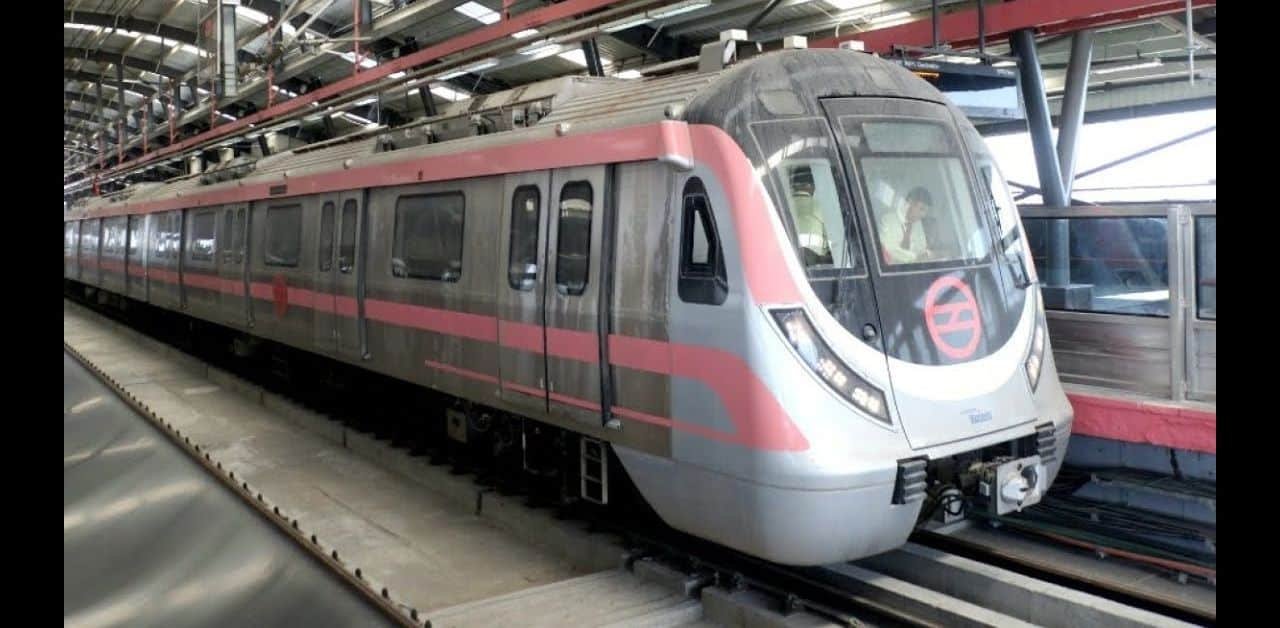
| Primary Transit | Delhi Metro (Pink Line/Yellow Line). Always use the “Ladies Coach” (First Car). |
| Financials | UPI is King. Use apps like PhonePe or Google Pay via international passports. |
| Dress Code | Modest-Modern. Kurtas with leggings or loose linen trousers/scarves. |
| Best Season | October to March. Peak weather for walking tours. |
| Emergency | Dial 112. Access the “Himmat Plus” app for immediate police SOS. |

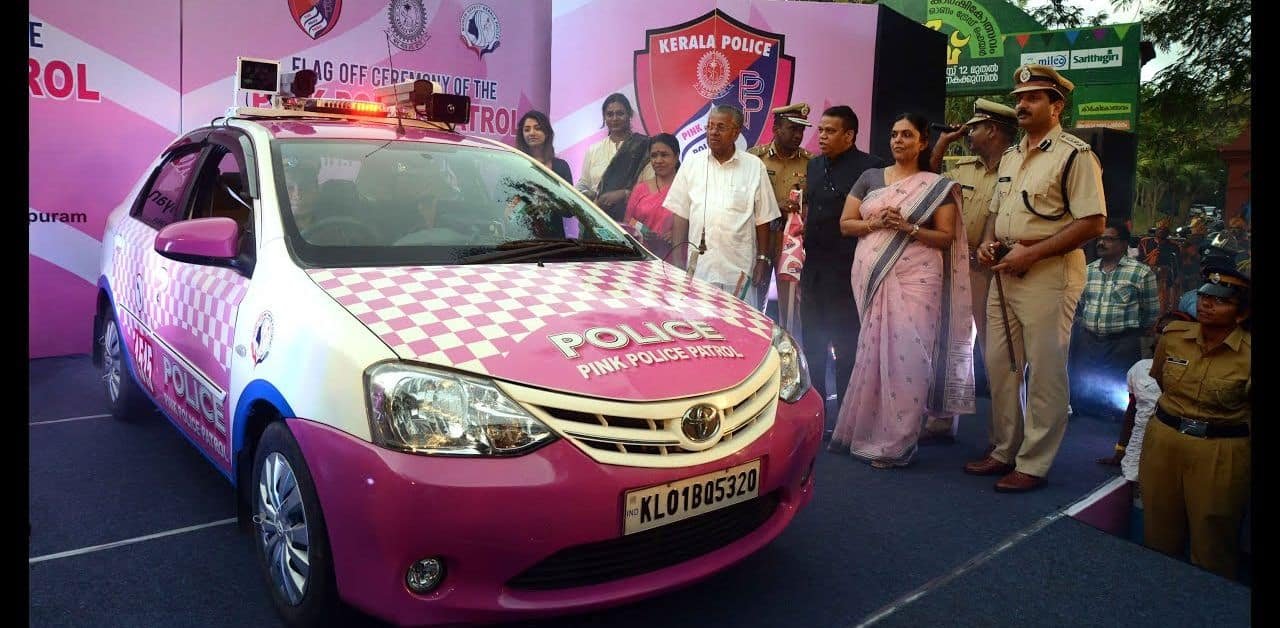
In 2026, Delhi is significantly safer due to the Pink Network initiative, featuring 500+ dedicated Pink Booths staffed by female officers and 24/7 CCTV in high-transit zones. While standard urban precautions apply, the integration of UPI payments and GPS-tracked transport (Uber/Ola) has drastically reduced common tourist scams.
The Delhi Police have installed Pink Booths in major markets like Sarojini Nagar, Khan Market, and Connaught Place. These are not just info centers; they are safe havens where only female personnel are stationed. If you feel followed or harassed, these booths offer immediate legal and physical protection. They are easily identifiable by their bright pink exterior and are usually located near Metro station exits or main market squares.

Himmat Plus App: Ensure this is downloaded and your QR profile is verified. It sends your live location and audio/video to the Police Control Room during emergencies.
WhatsApp Live Location: Always keep a trusted contact updated with your 8-hour live location whenever you are in transit between 7:00 PM and 10:00 PM.
Uber/Ola SOS: These apps now have a direct link to the local police. Always check that the “Child Lock” is not engaged on the rear doors before sitting down.
By 2026, the struggle with cash only vendors is over. Foreign travelers can now link their passports to UPI (Unified Payments Interface) apps. This means you never have to pull out a thick wallet in a crowded market, reducing your profile as a high-value target for pickpockets. You can pay for a 10 rupee chai or a 10,000 rupee carpet using a simple QR scan on your phone.
Where should solo girls stay in Delhi?
South Delhi remains the premier choice, specifically Hauz Khas, Greater Kailash (GK), and Safdarjung. These neighborhoods offer high walkability, active night-patrolling, and a dense population of female professionals. For short layovers, Aerocity provides high-end, high-security gated environments near the airport terminal.

This is the Brooklyn of Delhi. It is a mix of 13th-century ruins and upscale boutiques. The area is gated and has a high concentration of expats and solo travelers. It is perfect if you want to walk to dinner without needing a cab.
If you are arriving late at night or have an early flight, Aerocity is the only logical choice. It is a purpose-built hospitality district. Every hotel here (from Marriott to Pullman) has airport-grade security, and the streets are patrolled by private security 24/7.
These are affluent residential areas with M-Block markets. They are excellent for solo travelers who want a local feel but with the safety of a high-income neighborhood. The parks here are well-maintained and safe for morning jogs.
Paharganj: While enticing for its $10 rooms, it is poorly lit and known for aggressive touts.
Old Delhi after 8:00 PM: The narrow lanes (Gallis) become deserted and difficult to navigate.
Seelampur/Outer Suburbs: These lack the tourist infrastructure and police presence found in the center.

Exploring Delhi requires a Slower is Better mindset. This itinerary focuses on high-security zones and culturally rich landmarks that are well-patrolled and accessible via the Metro.
Morning (The Red Fort): A UNESCO site with dedicated security lines for women. Use the DigiYatra enabled entry for faster, contactless access. Explore the Diwan-i-Aam and the colorful Meena Bazaar inside the fort walls.
Afternoon (Gurudwara Bangla Sahib): This Sikh temple is a masterclass in Indian hospitality. It is one of the safest spots in the city. The community kitchen (Langar) is open to all. Remember to cover your head with a scarf.
Evening (Connaught Place): The city’s white-colonnaded heart. Stay within the Inner Circle for the best lighting and police presence. Visit the Oxford Bookstore for a quiet tea at Cha Bar.
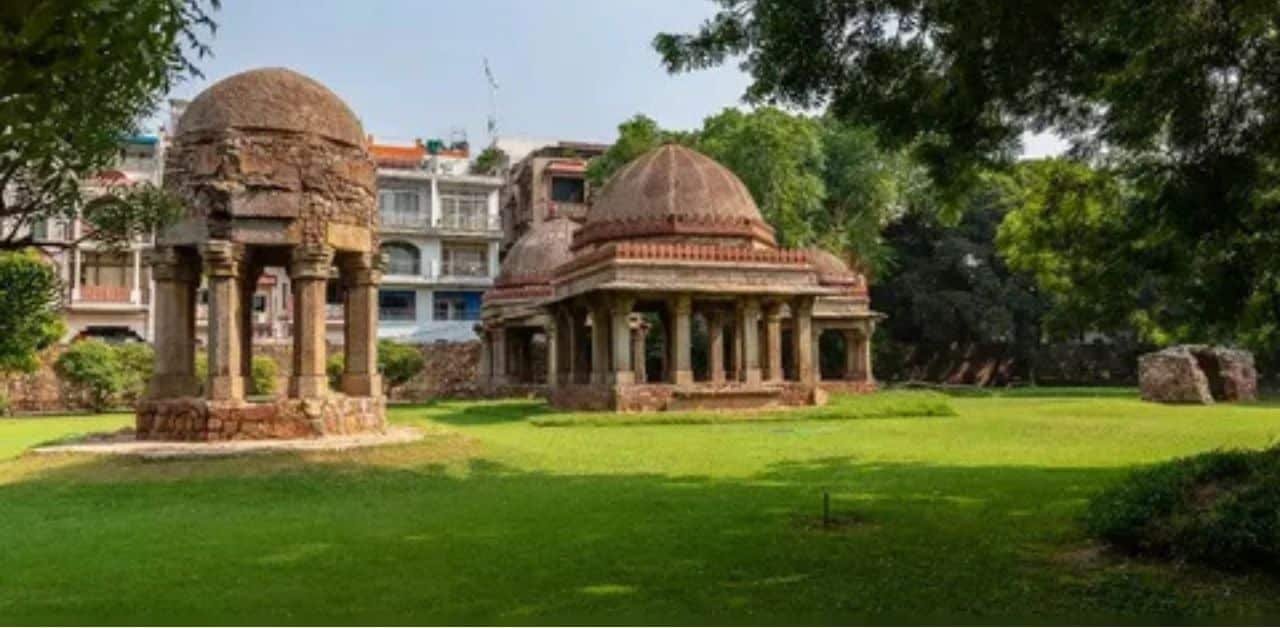
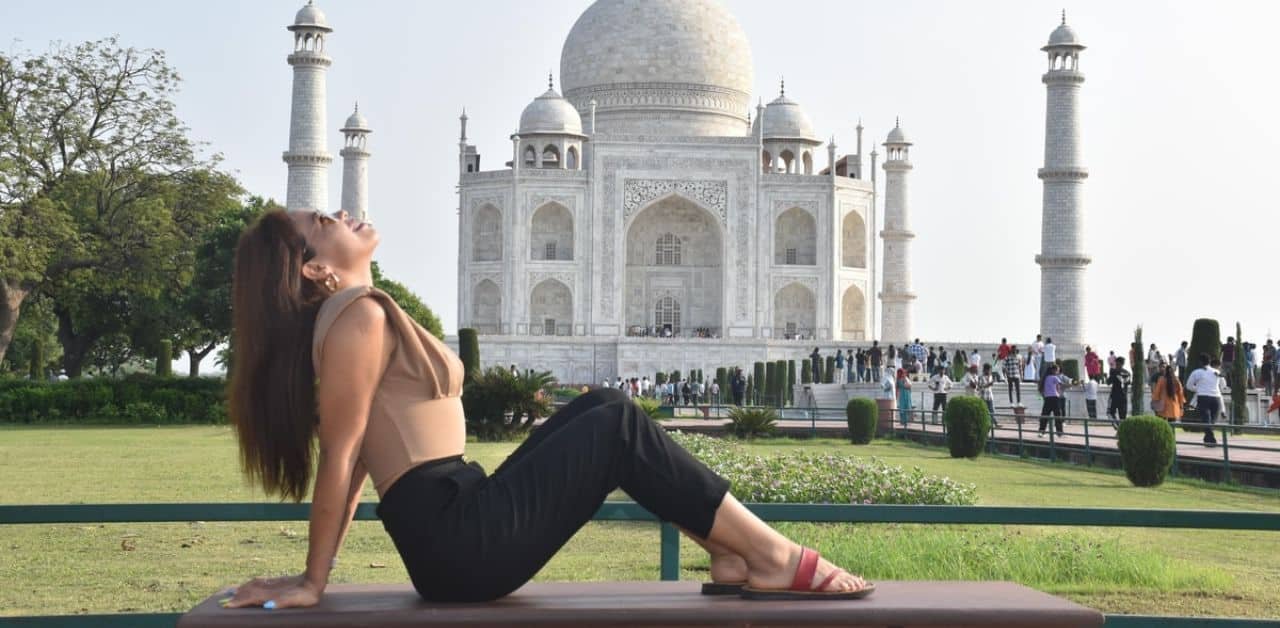
Morning (Humayun’s Tomb): The precursor to the Taj Mahal. The surrounding gardens are vast and quiet perfect for early morning photography before the crowds arrive.
Afternoon (Lodhi Garden): Delhi’s Central Park. It is populated by joggers and families, making it one of the most relaxed environments for a solo woman. Visit the nearby Lodhi Art District to see massive street art murals.
Evening (Khan Market): The most expensive retail strip in India. It is incredibly safe, upscale, and filled with bookstores and high-end pharmacies. Grab a coffee at Perch or Blue Tokai.
Morning (Lotus Temple): A Baháʼí House of Worship famous for its silence. Security is extremely tight here, ensuring a peaceful experience.
Afternoon (Akshardham Temple): A massive cultural complex. Note: No electronics are allowed inside. Use the government-vetted locker system. The stone carvings here are arguably the best in modern India.
Evening (The 2026 Water Show): A synchronized laser and fire display that is a must-see. The temple grounds are incredibly safe for solo travelers even after dark.

Morning (Janpath Market): Great for silver jewelry and handicraft. It’s a straight road, making it hard to get lost.
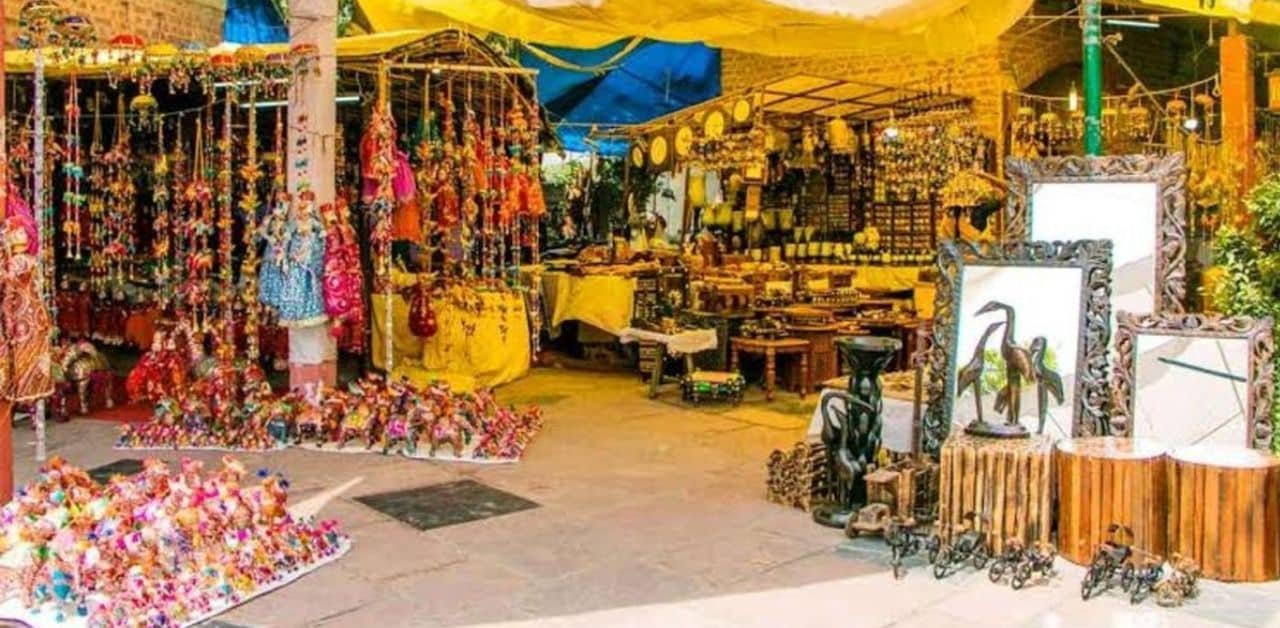
Afternoon (Dilli Haat – INA): Unlike open street markets, Dilli Haat is a walled, ticketed craft bazaar. This pay-to-enter model keeps the aggressive touts out, providing a safe shopping experience. You can try food from every state in India here.
Strategy: If a vendor is too pushy, a firm “No” followed by immediate walking is the standard protocol. Do not feel the need to be polite to someone violating your personal space.
Morning (DLF Avenue, Saket): A modern mall that serves as a safe zone for many local women. It features international brands and clean, high-standard facilities.
Afternoon (Hauz Khas Village & Lake): End your trip by the 13th-century reservoir. The sunset views here are iconic. The Deer Park nearby is also safe for a stroll.
Evening (The Final Meal): Head to a rooftop cafe in HKV to toast to your successful solo mission.

Street food is tempting, but for solo travelers, a stomach bug is a logistical nightmare.
Water: Drink only bottled water (brands: Bisleri, Kinley, Aquafina) or RO-purified water in high-end restaurants. Check that the seal is intact.
Ice: Avoid it in street stalls; it’s usually made from unfiltered tap water.
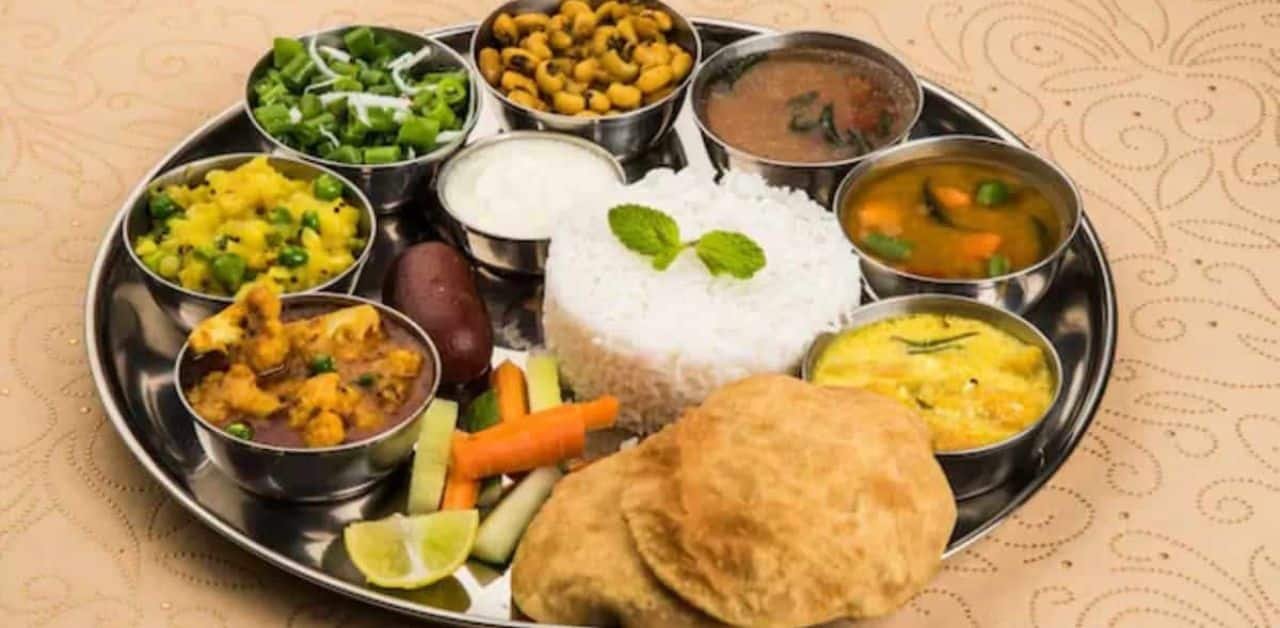
Pro Tip: Stick to busy Mithai shops like Haldiram’s or Bikanervala for street food flavors with industrial hygiene standards. If you want meat, stick to established places like Karim’s (Jama Masjid) or Gulati (Pandara Road).
The Delhi Metro is the city’s pride and the safest way to travel.
The Ladies Coach: Always the first car in the direction of travel. It is marked by pink signage on the platform. Even if the rest of the train is packed, this coach usually has breathing room.
Smart Card: Buy a tourist smart card to avoid standing in long token lines. You can top it up via the DMRC app or UPI.
Transit Hours: The Metro is safe until roughly 10:00 PM. After that, switch to Uber or Ola.
The most common scams involve Closed Road claims by rickshaw drivers or Government Tourist Office redirects. In 2026, always verify road closures on Google Maps and never allow a driver to change your destination based on his advice. If a driver insists your hotel is burned down or the road is blocked by a festival, tell him to take you there anyway or pull over so you can call the police (112).
Touts will tell you the place you want to go is closed and offer to take you to a Government Approved office. This is always a scam. These are private agencies that will overcharge you for tours.
Men may approach you offering to help with your luggage or guide you to a taxi. Ignore them. Follow the overhead signs to the “Pre-Paid Taxi” booth or the “Uber/Ola Pickup” zone.
Always agree on a price before getting into an Auto-Rickshaw if they refuse to use the meter. Better yet, use the Uber Auto feature to get a fixed price on your app.
Traveling solo doesn’t mean you have to be anti-social, but it does mean being socially strategic.
The Staring: It is often a result of curiosity. If it makes you uncomfortable, do not make eye contact. Looking away or focusing on your phone is a clear signal in Indian culture that you are not open to interaction.
Asking for Directions: If you are lost, look for a woman or a family to ask for help. They are usually very protective of solo female travelers and will go out of their way to ensure you find your way.
Public Displays: India is still conservative. Avoid loud conversations on your phone about personal matters in public transit, as it attracts attention.
| Tier | Daily Budget (INR) | What it covers |
| Backpacker | ₹2,500 – ₹3,500 | Hostel bed, Metro travel, Street/Cafe food. |
| Mid-Range | ₹6,000 – ₹9,000 | Boutique Guesthouse, Uber travel, Mid-range dining. |
| Luxury | ₹18,000+ | 5-Star Hotel (Aerocity/Central), Private Driver, Fine Dining. |
It exists. It is usually curiosity rather than malice. The Fix: Wear oversized sunglasses and noise-canceling headphones. It creates a private bubble that discourages casual approachers.
Yes, but context matters. In South Delhi cafes, jeans and tops are standard. In Old Delhi or temples, opt for a long tunic (Kurta) and a scarf (Dupatta) to avoid unwanted attention. Cover your shoulders and knees to show respect for local customs.
Do not take a random taxi. Pre-book an Aerocity hotel with a private shuttle, or use the Pre-Paid Taxi Booth (run by Delhi Police) inside the arrivals hall. Never share a cab with strangers.
If you travel between November and January, yes. In 2026, air purifiers are standard in most good hotels, but you should carry an N95 mask for outdoor walking during the smog season.
Delhi is a city of layers. It can be loud, chaotic, and overwhelming, but it is also deeply spiritual, incredibly generous, and historically unmatched. By leveraging the Pink Booth network, staying in South Delhi, and utilizing UPI for contactless transactions, you can experience one of the world’s most vibrant capitals with minimal risk.
You are not just a tourist; you are part of a growing global community of women reclaiming the streets of Delhi. Take the Metro, eat the butter chicken, and walk through the Mughal gardens. Delhi is waiting for you with open arms.
Khuram Riaz | explorebird.com
Are you planning your first solo trip to Manali but feeling a little nervous? Don’t worry, we are here to guide you. Traveling alone in...
Read More
Are you thinking about going on a trip alone? Many people feel a bit scared at first, but don’t worry. The best way to see...
Read More
Traveling alone in India sounds scary to some, but it is actually the best way to see this beautiful country. In 2026, India is more...
Read More