Seven Sisters Waterfall Guide During Monsoon 2026
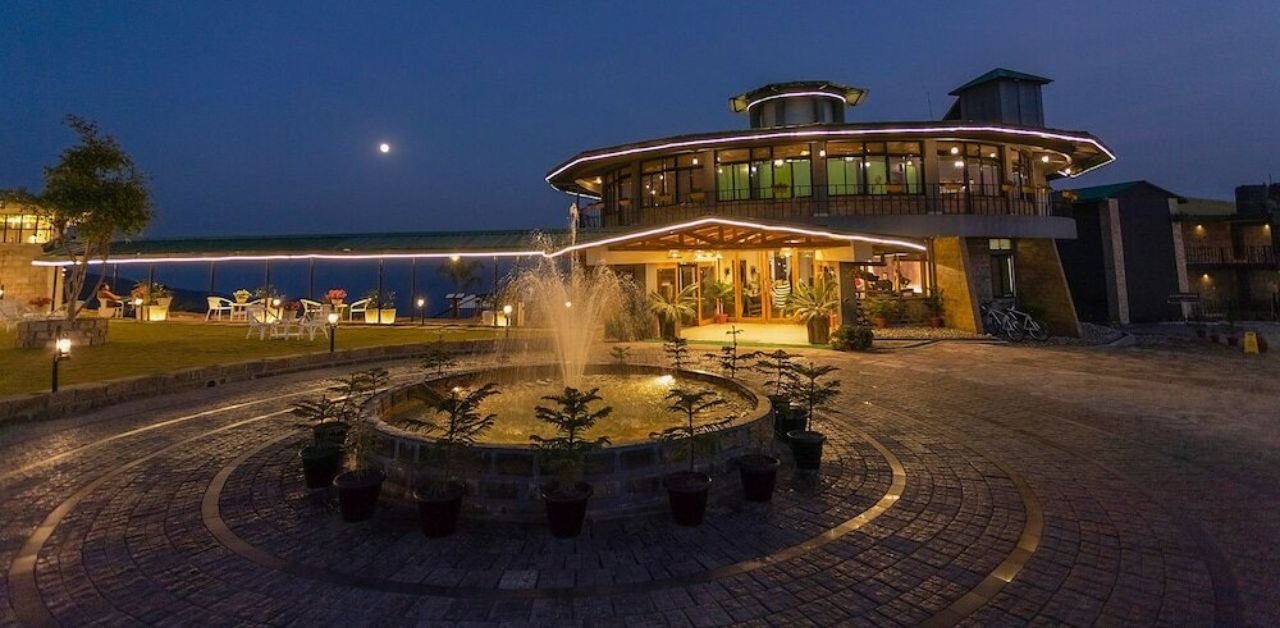
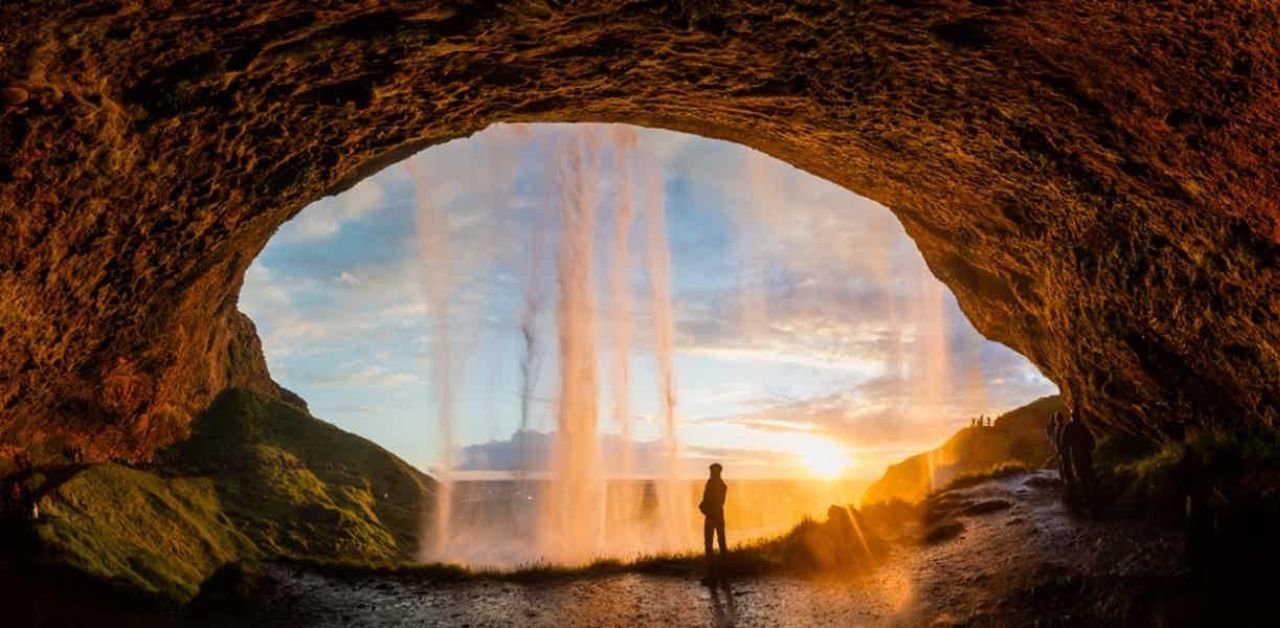
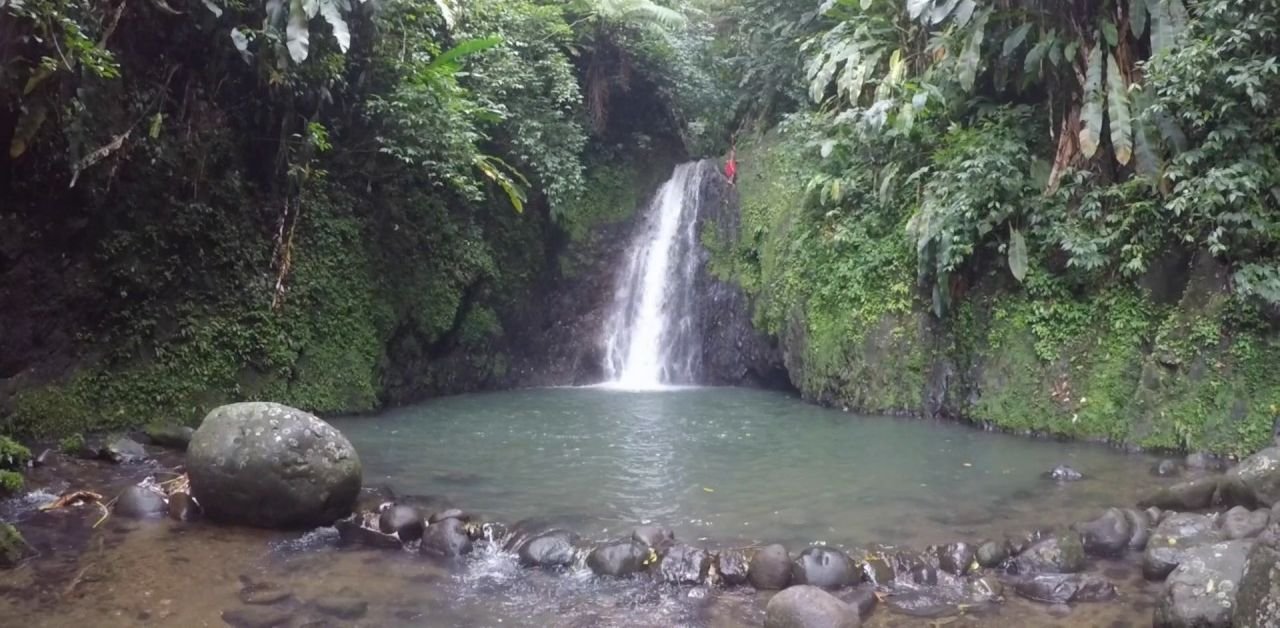
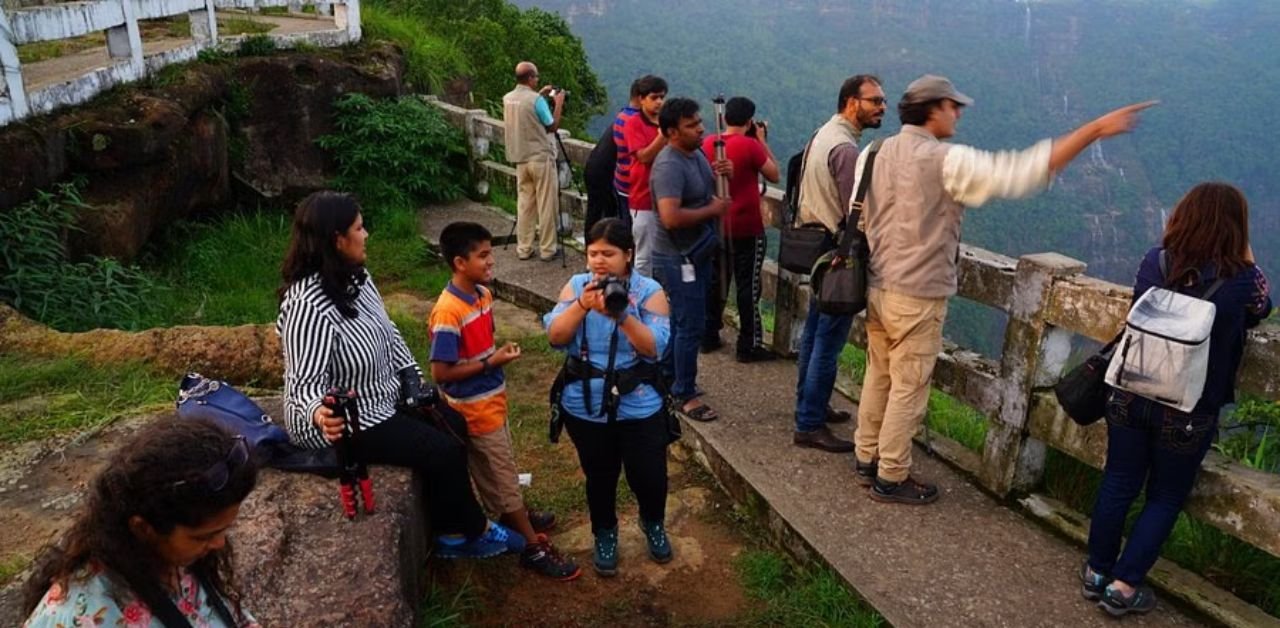

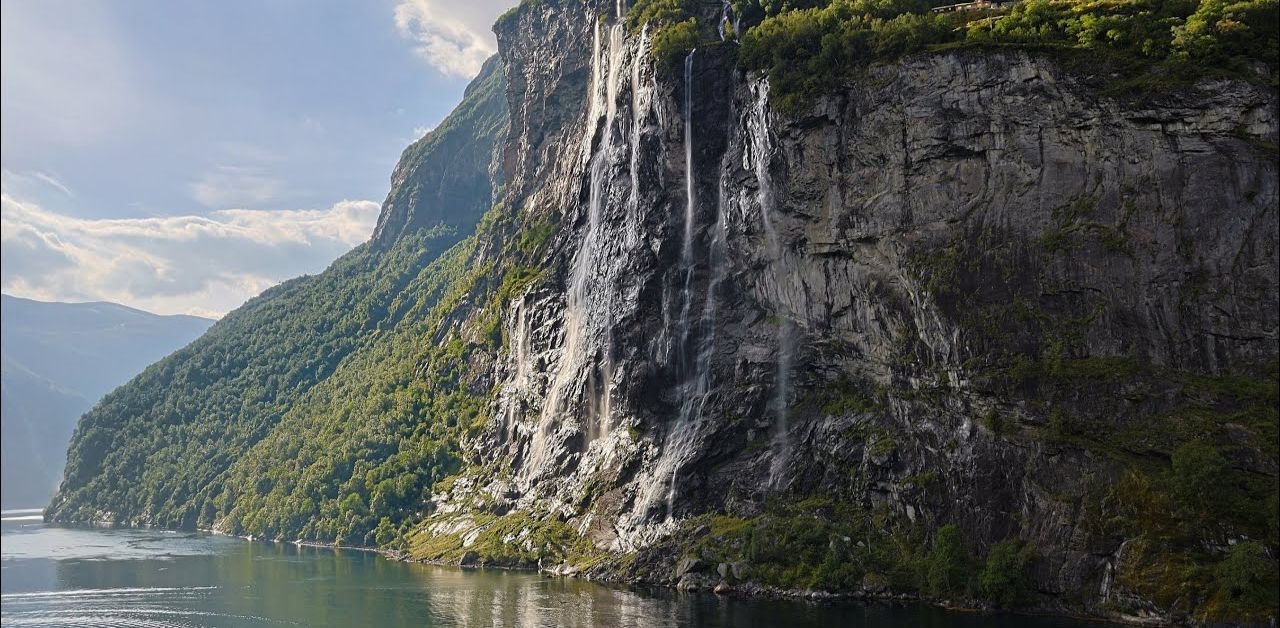
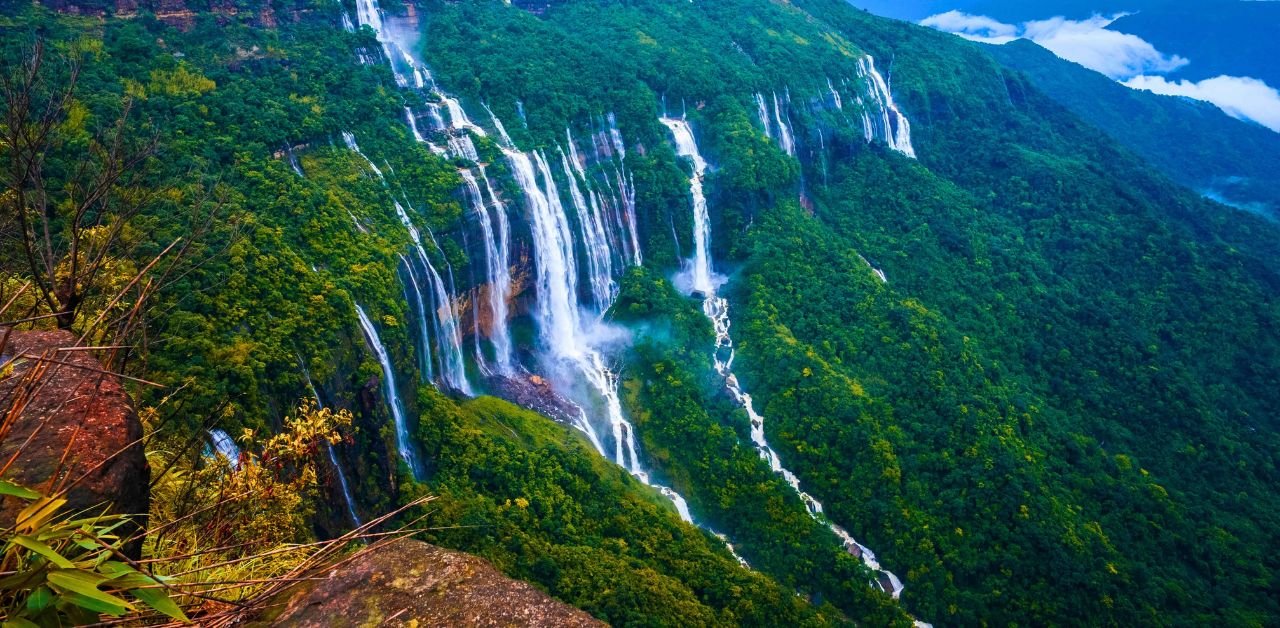

Water tumbles hard through seven channels at Cherrapunji, slicing 315 meters into the earth. This is Seven Sisters Falls – Meghalaya’s wild pulse where green cliffs meet sky-split mist. Eyes lock on movement: light shifts across wet rock while spray climbs like breath. Cameras wait. Feet pause. Sound fills every gap between thought.

Down in Cherrapunji – where rain falls harder than almost anywhere else – you’ll find Seven Sisters Waterfall, formed by seven separate flows running parallel. Called Nohsngithiang Falls in Khasi, or sometimes Mawsmai Falls, it spills over pale rock ledges like liquid lace. Though the drops never touch, they move together, shaping a wide veil that clings to the cliffside. Each stream follows its own path, yet all appear as one from afar.
Mist curls up as the land drinks deep, each stretch of river pushing hard with heavy rains. Rainbows stitch across the sky where light bends through falling drops. Water roars down, filling every hollow, shaking the air between hills.

From Khasi tales comes a story about seven sisters in a village close by. A man arrived hoping to wed one, yet instead of splitting apart, they chose to flee as a group. Turning into water, each became her own stream – running parallel through time without ever joining. Much like the falls now, where seven separate flows move down together, untouched by one another.
A daughter inherits her mother’s name here, where women hold lineage keys. Family roots stretch through female lines, shaping how homes stand. Sisters carry future names, passing them down without pause. This tale glows with that quiet strength.
Starting from myth, those seven flows stand for the seven states in northeast India – Assam, Meghalaya, Manipur, Mizoram, Tripura, Nagaland, and Arunachal Pradesh. Long ago, people crossing the Khasi Hills used the fall as a guidepost along their path.
Down in the East Khasi Hills, close – only a kilometer south – from Mawsmai village. Not far either, roughly four kilometers out from Cherrapunji town. Standing tall at 315 meters, that is 1,033 feet high. Its flow spreads wide, around seventy meters on average. Among the highest falls found across India.

Falling heavy through rainy months, seven rivers plunge down rocky slopes, roaring so loud they shake the ground beneath. Sunlight slips between bursts of spray, painting sudden rainbows where droplets hang in midair. Trees grow thick and bright nearby, their leaves dripping constantly under gray skies. From high spots you can see far south into flat stretches of land beyond the border. Water crashes without pause, filling ears with constant noise while damp fog brushes against skin. Air smells sharp here, clean like stone after a storm, carrying nothing but cold freshness deep into your lungs.
Right now might be just right for a trip. Flowing strong, every one of the seven streams runs fullest between June and September. July and August could see the heaviest rain next year.
What you’ll witness:
Seven streams shine bright together
Lush green hills
Spectacular mist effects and rainbows
Perfect photography opportunities
Tip:
Clouds often hang around in June, though by July things tend to clear up. Water keeps flowing strong until early September. Views get better when the sky opens up a bit during those months.
Water often slows to just a few thin streams between November and February – some days there’s almost none. By contrast, October into early November brings steadier movement, though never too strong. Rain stays light from March through May, so flows stay weak. Only when June arrives does everything shift with heavier showers.
Airport near Shillong goes by Umroi too. About seventy kilometers separates it from Cherrapunji. Flights there aren’t frequent at all. Travel time takes up two to three hours on road.
Around four to five hours by road sits Guwahati Airport, located roughly 155 to 170 kilometers distant. Though farther out, links to big cities feel smoother from here.
Some 150 to 160 kilometers separates Guwahati Railway Station from Cherrapunji. Trains link it clearly with big towns across India. The drive takes around four or five hours on roads that hold up decently. Distance stretches but travel stays straightforward.
Driving from Shillong? Expect a ride of about 58 to 60 kilometers – roughly two and a half hours on winding uphill routes with views. Taxis are available for hire, or travelers can book slots on guided daily trips.
Leaving Guwahati? Taxis go straight through, yet some travelers hop off in Shillong first. Travelers often skip connections, though splitting the trip works fine too.

Out past the tree line, Sohra Eco Park unfolds a sweeping lookout. Wide views stretch across seven flowing streams, catching rainbows when sunlight cuts through morning fog – try arriving between eleven and two. Golden light drapes everything just before dusk settles in. Beyond the horizon, flat lands of Bangladesh blur into view. Winged flashes dart among leaves: birds, bright feathers, quick movements. Butterflies hover near blossoms, drawn by color and warmth.
Even though you cannot climb straight up, take quiet strolls through green paths instead. Short hikes lead to spots where views open wide across the land. The nearby Khasi Hills wait to be wandered slowly. At Sohra Eco Park, pathways stay clear and tidy for walking. Picnic spaces sit under shade, ready for restful pauses

Start your day with a plate of Jadoh – meat cooked into rice the old way. Warm pork curry called Dohneiiong simmers slowly in village kitchens. Try Tungrymbai too, that strong fermented soybean dish few outsiders know well. Steam rises from teacups at roadside stalls where pakoras crisp up by the basket. Mist hangs low outside while people sip and talk through damp mornings. You might sit beside someone who tells stories passed down through mothers instead of fathers. Conversations unfold easily here, one question leading to another.
Down a path just 7.5 kilometers away, Nohkalikai tumbles over rock in one drop – India’s highest at 340 meters – easy to see before sunset
Deep in the hills, tangled roots of rubber trees form walkways over streams. These living spans stretch between fifteen and twenty kilometers across rough terrain. One well-known example has two levels stacked like a ladder made by nature. People shaped these structures slowly, guiding each root into place. Over time, they grew strong enough to carry weight. The double-decker type stands out among them – rare, quiet, built without nails or steel. Rain feeds the trees, which hold fast through monsoon winds
Mawlynnong Village 90 km Asia’s Cleanest Village Sky Walk Viewpoint
Dawki River 95 km Clear Water Makes Boats Seem Floating
Deep inside the earth, Mawsmai Caves sit 6 kilometers away. These limestone tunnels hold slow-grown spikes hanging from above. Water shaped them over endless years. Light flickers on stone teeth rooted in ceiling shadows. You walk through quiet echoes of time. Cold air moves where ancient drops once fell
Other nearby Mawkdok Bridge Arwah Cave Kynrem Falls Laitlum Canyons

When rain shows up, a waterproof jacket helps stay dry. An umbrella works well too, especially on longer walks. Camera covers keep equipment safe from drips and damp air.
Footwear: Trekking shoes with good grip.
Clothing: Quick-drying clothes, layers, hat.
A zoom lens helps catch distant subjects clearly. Meanwhile, a wide view captures more of the scene up close. A steady stand keeps things sharp during long shots. Spare power units ensure you do not run out mid session
Bring water along – sunscreen helps too. A tube of bug spray might save your afternoon. Toss in a small medical pack just in case. Pack something light to eat, maybe crackers or fruit. Hold on to some paper money; it comes in handy. Don’t forget the little things – they add up fast.

The Polo Cherrapunjee Resort
Perched near the falls – just 270 meters away – the Polo Cherrapunjee Resort offers five-star comfort. Waterfall vistas unfold from every corner, while an endless-looking pool blends into the misty landscape. This place? It breathes calm, framed by nature’s raw energy. Stays here feel different – not because of glitter, but quiet elegance. Rooms open to green cliffs and sky. Service slips in gently, unnoticed until needed.
Moving into the mid-tier range, prices sit between two thousand and five thousand rupees each night. Jiva Resort offers a quiet stay, though Sulawado leans more toward open spaces. Instead of city noise, Coniferous brings forest views right to your window. Then there is Kutmadan Resort, tucked away but still easy to reach.
A stay here costs between ₹500 and ₹2,000 each night. Think small places like Arara Homestays. Locally owned guesthouses fit well. Run by the community, these spots offer a grounded feel. Not fancy, just straightforward lodging with local touch.
Over in Shillong, prices start at ₹800 a night but can climb past ₹10,000 depending on where you stay. A wide mix of places fits every budget, making it handy for quick getaways during daylight hours.
This matters most during peak times like summer months or public celebrations. Reservations often fill fast when temperatures rise or calendars mark special days.
7 am departure from shillong
Seven Sisters Waterfall 9 to 11 AM
Mawsmai Caves Visit Followed by Lunch in Cherrapunji
2 3 pm nohkalikai falls
Back in Shillong before six
Seven Sisters Day One Nohkalikai Mawsmai Caves Eco Park
Day 2 Living Root Bridges or Mawlynnong Village

Start with a peek at tomorrow’s sky – knowing rain could mean trouble later. When hillsides are warned, pay attention like you would a siren down the road. Slip phone numbers into your pocket where help lives behind digits. Storms change fast, so stay one step ahead without chasing rumors
Watch your step near edges. Barriers are there for a reason. Wet stones can slide underfoot without warning. Monsoon season makes the lower areas risky. Stick to higher ground when rains come
Start with painkillers just in case. Water keeps your body working right – sip often. Bugs carry trouble, so spray something bitter on your skin. Bottled stuff flows safer than taps or streams
Pick someone who knows the area to show you around on walks. Waterproof sacks keep your stuff dry when it rains. Maps saved on your phone work even without signal. Local shops might not take cards, so bring paper money.
Picking up after yourself matters – plastic items are not allowed. Local ways of living deserve care and attention. Wildlife needs space; keep a distance. Spending money at neighborhood shops helps communities grow stronger. Taking photos of people? Wait for a yes first.
Fresh morning hours bring clearer views – doors open at nine, shut by four. Skip the glare; aim for early. A spot to park costs between twenty and thirty rupees. Inside, the gate fee ranges from twenty up to fifty. Eco Park sets the rate, not us. Light matters most here, so time it right.
Sunset views: Waterfall glows in golden light
Sohra eco park: Multiple viewpoints for different perspectives
Morning mist: Mystical early morning atmosphere
By late morning, rainbows start to show up. Around noon is when they happen most. Afternoon begins and the chance slowly drops off
Local khasi cuisine: Unique flavors with local herbs
Water rushes down ancient rock faces at Seven Sisters, pulling visitors into its raw energy. Beauty unfolds here alongside stories told for generations, along with open-armed kindness from those who live nearby – this place stands out across the northeast part of India.
Meghalaya keeps building travel options that care for the environment – this makes 2026 a smart year to go. Rainy season trips fit well here, where green hills and waterfalls show off Earth at its strongest.