
Kaal Bhairav Temple Varanasi: The Complete Sacred Guide for 2026
Have you ever felt the presence of something ancient, powerful, and deeply mysterious the moment you stepped into a place? That is exactly what happens when you walk through the narrow, winding lanes of Varanasi and arrive at the Kaal Bhairav Temple.
Varanasi is already one of the most sacred cities in the world. Many people visit this temple every year. But inside this city of temples and ghats, there is one temple that stands apart from all others. It is different. It is powerful. It is unforgettable. That temple is the Kaal Bhairav Temple.
Lord Kaal Bhairav is not just any deity. He is the guardian of Varanasi. He is the protector of the entire city. In Hindu religion, it is believed that no one can truly rule or govern Varanasi without the permission of Kaal Bhairav. Even the great god Lord Shiva himself appointed Kaal Bhairav as the Kotwal, which means the chief officer or the police commissioner of Kashi (the ancient name of Varanasi). This makes Kaal Bhairav incredibly special and deeply respected.
People come here with big hopes in their hearts. Soldiers pray here for courage and protection. Lawyers visit before important cases. Students seek blessings before exams. Business people come for success. And many devotees simply come to feel safe, protected, and loved by this fierce yet compassionate deity.
What makes this temple even more fascinating is its unique and mysterious offering. Unlike any other temple in India, the main offering made to Lord Kaal Bhairav here is liquor, specifically alcohol. Yes, you read that right. The deity is offered alcohol as prasad (holy offering). This surprises first-time visitors, but it is a tradition that is centuries old. We will talk more about this amazing mystery in the sections ahead.
The Kaal Bhairav Temple is located in the Kotwalpura area of Varanasi, very close to the famous Maidagin Chowk. It sits in a neighborhood full of old buildings, colorful shops, and the constant sound of bells and chants. The moment you enter the area, you can feel that something sacred is near.
Whether you are a devoted Hindu pilgrim, a curious traveler, a history lover, or someone who simply wants to experience the real soul of Varanasi, this temple will move you deeply. It will make you think. It will make you feel.
This complete guide for 2026 will tell you everything you need to know before you visit the Kaal Bhairav Temple in Varanasi. From its ancient history to practical travel tips, we have covered everything for you in simple, easy words.
Let us begin this sacred journey together.
History and Significance
The story of the Kaal Bhairav Temple goes back thousands of years. It is not just a story. It is a legend that lives in the hearts of every person in Varanasi.
According to Hindu mythology, Lord Kaal Bhairav is a fierce and powerful form of Lord Shiva. The word Kaal means time and also means death. The word Bhairav means the one who is terrifying or the one who destroys fear. So Kaal Bhairav is the god who controls time, destroys all fear, and removes the cycle of death and rebirth for true devotees.
The most important legend connected to this temple comes from the Shiva Purana, one of the ancient holy texts of Hinduism. According to this legend, there was once a great argument between Lord Brahma (the creator) and Lord Vishnu (the preserver) about who among them was the most powerful. During this argument, Lord Shiva appeared as an infinite column of light. Lord Brahma lied and claimed he had seen the top of this column. Because of this lie, Lord Shiva became very angry. From his anger, Lord Kaal Bhairav was born. Kaal Bhairav then cut off one of Lord Brahma’s five heads as a punishment for telling a lie.
This act had a consequence. Cutting a Brahmin’s head is considered a great sin in Hinduism, called Brahmahatya. Even though Kaal Bhairav was a form of Shiva himself, he had to carry the skull of Brahma and wander the entire universe to be free of this sin. After wandering for a very long time, Kaal Bhairav finally arrived in Kashi, modern-day Varanasi. The moment his feet touched this sacred city, the skull fell from his hands. He was freed from his sin. This is why Varanasi is considered the most purifying city in the world.
After this event, Lord Shiva appointed Kaal Bhairav as the eternal Kotwal (guardian) of Kashi. This is why even today, when a new officer or administrator is appointed in Varanasi, it is customary to first seek the blessings of Kaal Bhairav. He is believed to watch over every soul in the city, day and night, without rest.
The current temple structure is believed to have been built or significantly renovated during the Mughal era, though the site itself is far more ancient. Historical records and local traditions suggest this sacred spot has been worshipped continuously for over 2,000 years, making it one of the oldest active places of worship in the world.
The Kaal Bhairav Temple holds a unique place in the Ashtabhairav tradition ,the eight forms of Bhairav that protect the eight directions of Kashi. Among all eight, Kaal Bhairav is the supreme one, the king of all Bhairavas.
Architecture and What to See
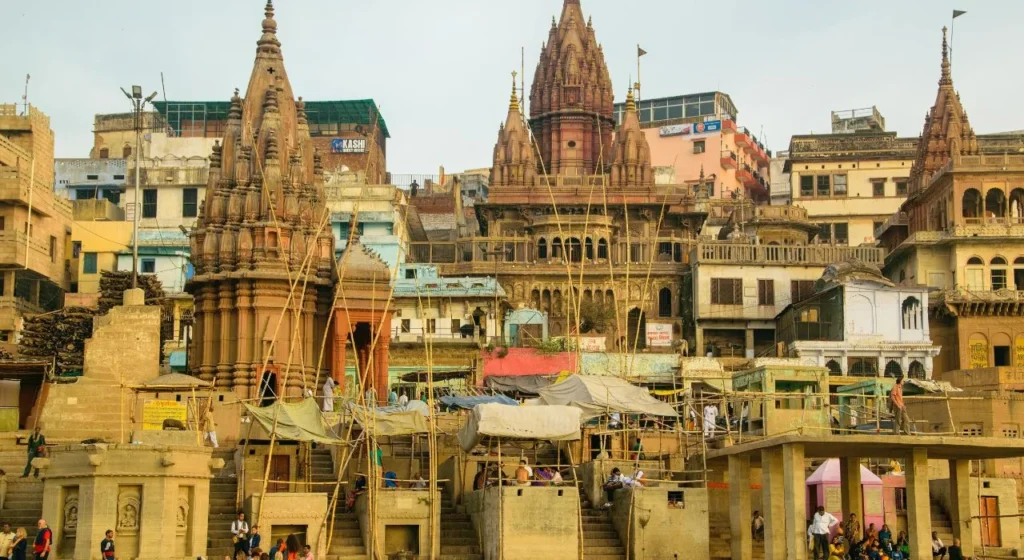
When you first approach the Kaal Bhairav Temple, you might be surprised. It does not look like the grand, towering temples you see in pictures of South India. It is not huge. It is not built of white marble. But what it has cannot be measured by size. It has power, age, and soul.
The temple follows the Nagara style of North Indian temple architecture, which is the most common style found in Varanasi and the rest of North India. The structure is compact but richly detailed. The walls are old and darkened by centuries of incense smoke, oil lamps, and the touch of millions of devotees. This darkness gives the temple an atmosphere that is both serious and deeply spiritual.
The Main Sanctum (Garbhagriha)
The heart of the temple is the Garbhagriha, the inner chamber where the main deity resides. Inside, you will find the face of Lord Kaal Bhairav. The idol is striking. The face is fierce, with wide eyes, a powerful expression, and decorations of orange and red flowers. The deity is adorned with garlands and traditional ornaments. The idol is not full-bodied in the traditional sense; the primary focus of worship is the divine face, which radiates an energy that many visitors describe as overwhelming and deeply moving.
The Shikhara (Temple Spire)
Above the main chamber rises the Shikhara, the tall, pointed spire that is the most recognizable feature of North Indian temples. The Shikhara of the Kaal Bhairav Temple is old and carries the marks of time. It is decorated with small carvings and topped with a Kalash (sacred pot), which is a symbol of auspiciousness and divine energy.
What to See Inside the Temple Complex
As you enter the temple, you will walk through a narrow corridor lined with small shops and vendors selling offerings of marigold garlands, red hibiscus flowers, coconut, sindoor (vermillion powder), and of course, sealed bottles of alcohol for offering to the deity.
Inside the complex, you will also find smaller shrines dedicated to Goddess Kali, Lord Ganesh, and other deities connected to the Bhairav tradition. These shrines are small but important, and devotees offer prayers at each one.
A very special feature of this temple is the large image of a black dog near the main entrance. In Hindu tradition, the dog is the vehicle (vahana) of Lord Bhairav. You will often see real dogs sitting peacefully near the temple, and it is considered auspicious to feed them.
The entire temple experiences the narrow lanes, the smell of incense, the sound of bells, the flames of oil lamps dancing in the dim light creates an atmosphere that is completely unique. First-time visitors often stand still for a moment, just absorbing the energy. It is that powerful.
Unique Mysteries and Special Offerings
This is the section that makes every first-time visitor stop and say Wait… really?
Yes, really.
The Kaal Bhairav Temple in Varanasi is unlike any other temple in all of India. Maybe unlike any other temple in the entire world. And the reason is one extraordinary tradition that has been followed here for thousands of years: the offering of alcohol to the deity.
The Liquor Offering A Sacred Tradition
When you arrive at the temple, you will see small shops outside selling sealed bottles of alcohol, mostly desi sharaab (country liquor) and sometimes wine. Devotees buy these bottles and offer them to Lord Kaal Bhairav. The temple priests open the bottles, pour the liquid into a vessel, and offer it directly to the deity’s mouth. And here is the most mysterious part: the liquid disappears.
The priests pour the alcohol in front of the idol’s mouth, and it vanishes. There is no visible drain. There is no hidden pipe that anyone has openly confirmed. Scientists, journalists, and curious visitors have tried to understand this for years. But the mystery remains unsolved to this day. Devotees believe that Lord Kaal Bhairav actually drinks the offering. This is one of the most talked-about miracles in all of Varanasi.
Why Alcohol? The Spiritual Reason
This surprises many people, especially those who associate temples with fruits and flowers. But in the Tantric tradition of worship which is deeply rooted in Varanasi Lord Bhairav is worshipped in a very different way. He is a deity of the Aghori and Tantric path. In this path, things that are considered taboo in normal society like alcohol and meat become sacred offerings when given with pure devotion and the right spiritual intention.
The offering of alcohol here is not about celebrating drinking. It is about complete surrender to the deity. It is about offering something that belongs to the material world and giving it back to the divine.
Guardian of the City The Kotwal of Kashi
Lord Kaal Bhairav holds a title that no other deity in India holds in quite the same way — he is the Kotwal of Kashi, meaning the divine police commissioner of Varanasi. It is believed that every soul that enters Varanasi must pass under his watch. Every soul that leaves the body in Varanasi which is considered extremely auspicious receives Tarak Mantra (the mantra of liberation) whispered in its ear by Lord Shiva himself. But it is Kaal Bhairav who manages and oversees this entire divine process.
Local tradition says that even Lord Shiva and Goddess Parvati seek Kaal Bhairav’s permission before entering Kashi. That is how supreme his authority is here.
Other Unique Offerings
Along with alcohol, devotees also offer red flowers (especially hibiscus), sindoor, mustard oil lamps, coconut, and black sesame seeds. Tuesday and Sunday are considered the most powerful days to visit and offer prayers. Devotees who come on these days believe their wishes are fulfilled much faster.
Best Time to Visit
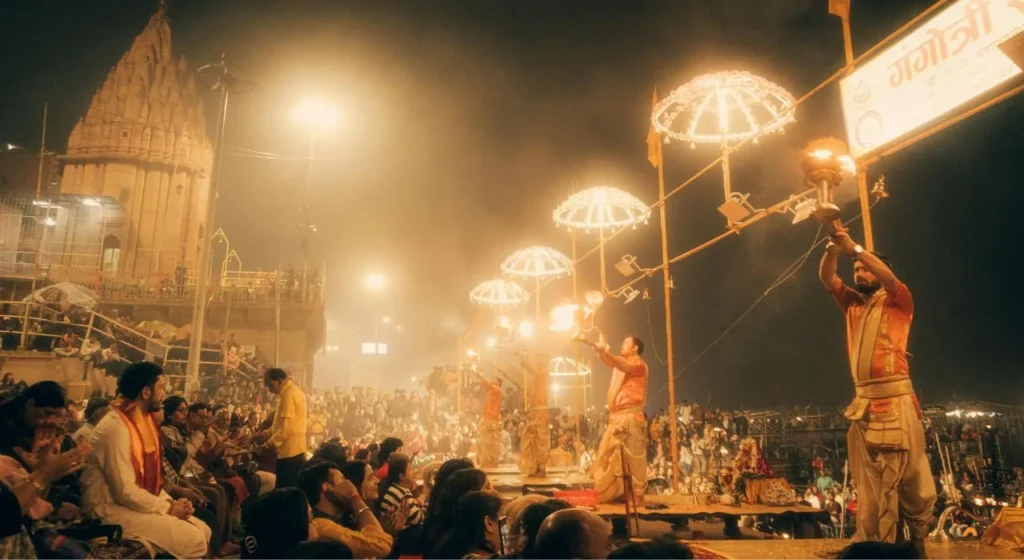
Choosing the right time to visit the Kaal Bhairav Temple can make a big difference in your experience. Varanasi has a tropical climate, and each season brings something different to the city.
The Best Overall Time — October to March
The months from October to March are widely considered the best time to visit Varanasi and the Kaal Bhairav Temple. The weather is cool and pleasant during these months. Temperatures range from around 10°C to 25°C, which is very comfortable for walking through the narrow lanes of the old city, standing in queues, and spending time inside the temple.
The winter months of December and January can get quite cold, especially in the early mornings and late evenings. So carry a light jacket or shawl if you are visiting during this time.
Special Festival Times
If you want to experience the Kaal Bhairav Temple at its most powerful and festive, then plan your visit around Kaal Bhairav Ashtami. This is the most important festival of this temple. It falls on the eighth day (Ashtami) of the dark fortnight in the Hindu month of Margashirsha, which usually comes in November or December. On this day, the temple is decorated with thousands of lights and flowers. Special rituals are performed throughout the day and night. Devotees from all over India and the world gather here. The energy on this day is beyond description — it has to be experienced personally.
Other important times to visit include:
- Mahashivratri (February or March) One of the biggest festivals of Lord Shiva, and therefore deeply connected to Kaal Bhairav as well.
- Navratri (twice a year — March/April and September/October) The temple sees heavy devotee footfall during these nine sacred nights.
- Tuesdays and Sundays throughout the year These days are especially sacred for Lord Bhairav. The temple is busier but also more spiritually charged.
Times to Avoid
The months of April, May, and June bring very intense heat to Varanasi. Temperatures can climb above 45°C, making outdoor movement quite difficult and uncomfortable.
The monsoon months of July, August, and September bring heavy rainfall. The narrow lanes around the temple can get very slippery and waterlogged. However, if you do not mind the rain, the city looks beautifully lush and green during this time, and the crowds are much smaller.
Best Time of Day to Visit
For a calm and deeply personal experience, arrive at the temple either early in the morning (between 5:30 AM and 8:00 AM) or in the evening after 6:00 PM. These times are less crowded and the atmosphere is more meditative. The morning aarti and the evening aarti are both absolutely beautiful to witness.
How to Reach
Getting to the Kaal Bhairav Temple in Varanasi is quite straightforward once you know the route. The temple is located in the Kotwalpura area, near Maidagin Chowk, in the heart of the old city of Varanasi. Here is a complete guide to reaching the temple from different starting points.
By Air
The nearest airport is Lal Bahadur Shastri International Airport, Varanasi (also known as Babatpur Airport). It is located approximately 25 to 30 kilometres from the Kaal Bhairav Temple. The airport is well connected to major Indian cities like Delhi, Mumbai, Kolkata, Chennai, and Bengaluru. International connections are also available via connecting flights. From the airport, you can hire a prepaid taxi or cab (available right outside the terminal) to reach the temple area. The ride takes approximately 45 minutes to 1 hour, depending on traffic.
By Train
Varanasi has two major railway stations Varanasi Junction (also called Banaras Station) and Manduadih Railway Station (now officially renamed Banaras Railway Station). Both are well connected to all major cities across India. From either station, the Kaal Bhairav Temple is about 5 to 8 kilometres away. You can take an auto-rickshaw, e-rickshaw, or a cab from outside the station. The journey takes about 20 to 30 minutes.
By Road
Varanasi is well connected by road to nearby cities like Prayagraj (about 120 km), Lucknow (about 285 km), and Agra (about 565 km). State government buses, private buses, and tourist coaches run regularly on these routes. Once you are in Varanasi city, use local transport to reach the temple.
Getting Around Inside Varanasi
This is where things get interesting and slightly adventurous! The lanes around the Kaal Bhairav Temple are extremely narrow, called galis in Hindi. No cars or even motorcycles can enter most of these lanes. You will need to walk the last part of the journey on foot.
The best way to navigate the old city is:
- Take an auto-rickshaw or e-rickshaw to Maidagin Chowk or Godowlia Chowk, which are the nearest major landmarks.
- From there, walk through the lanes following the signs or asking locals. The people of Varanasi are very warm and helpful, and almost everyone knows the Kaal Bhairav Temple.
- Google Maps works reasonably well in Varanasi but may not show the exact narrow lane entrances. Trust the locals for the final stretch.
If you are staying in a hotel near Dashashwamedh Ghat or Godowlia, the temple is easily walkable — about a 10 to 15-minute pleasant walk through the old city lanes.
Darshan Timings & Rules
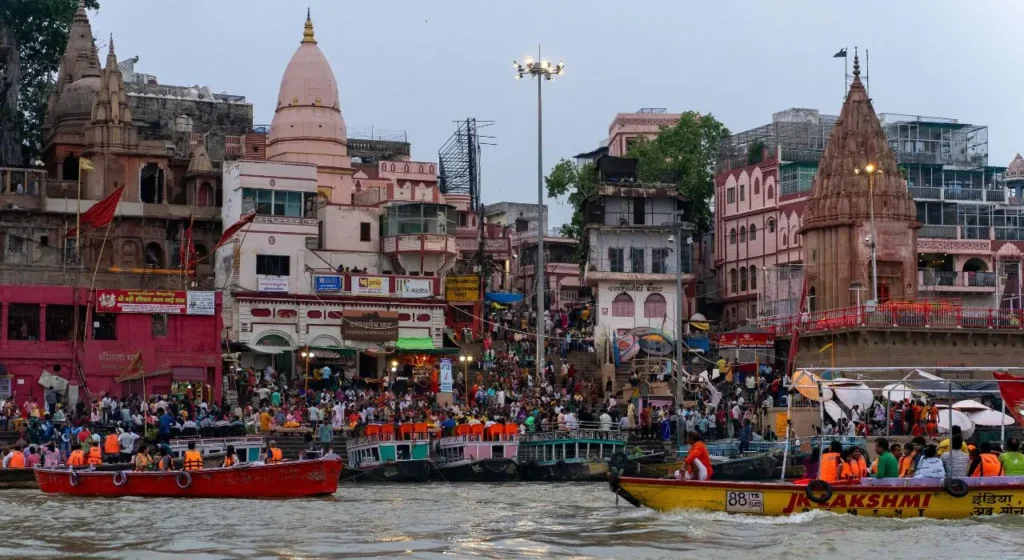
Before you visit the Kaal Bhairav Temple, it is very important to know the darshan timings and the rules of the temple. Following these rules shows respect for the deity and for the sacred space. It also makes your visit smooth and peaceful.
Temple Opening Timings (2026)
The Kaal Bhairav Temple is open every day of the year. It does not close on any holiday or festival. In fact, on festival days, it stays open for longer hours to accommodate the large number of devotees.
Here are the general daily timings:
| Time of Day | Opening Hours |
| Morning Session | 5:00 AM to 12:00 PM |
| Afternoon Break | 12:00 PM to 3:00 PM |
| Evening Session | 3:00 PM to 10:30 PM |
Please note that these timings can change slightly during major festivals like Kaal Bhairav Ashtami or Mahashivratri, when the temple may remain open through the night. Always confirm the timings with your hotel or a local guide before visiting.
Aarti Timings
The aarti (sacred ritual of waving lighted lamps before the deity) is the most beautiful part of any temple visit. At the Kaal Bhairav Temple, aarti is performed twice daily:
- Morning Aarti — Around 5:30 AM to 6:00 AM
- Evening Aarti (Sandhya Aarti) — Around 7:00 PM to 7:30 PM
Attending the aarti is a truly moving experience. The sound of bells, the fragrance of incense, the warm glow of lamps, and the chanting of mantras create an atmosphere that touches your heart deeply. Try not to miss it.
Dress Code and Clothing Rules
The Kaal Bhairav Temple expects all visitors to dress modestly and respectfully. Here are the clothing guidelines:
- Both men and women should wear clothes that cover their shoulders and knees. Avoid sleeveless tops, short skirts, shorts, and anything that is too tight or revealing.
- Wearing traditional Indian clothing like kurta-pyjama for men and saree or salwar-kameez for women is highly appreciated and respected.
- You must remove your footwear before entering the temple. There are designated areas and small shops outside the temple where you can safely leave your shoes and sandals. A small fee is usually charged for this service.
Photography Rules
Photography rules at the Kaal Bhairav Temple are strict and must be respected:
- Photography inside the main sanctum is strictly prohibited. Do not take photos or videos of the main idol or the inner chamber.
- Using mobile phones for photography near the deity is considered disrespectful and may be stopped by the temple staff.
- You may take photos of the outer areas of the temple complex, but always be mindful of other devotees who are praying.
General Conduct Rules
- Do not consume alcohol, tobacco, or non-vegetarian food before visiting the temple. Even though alcohol is offered to the deity here, consuming it yourself before entering the temple is considered deeply disrespectful.
- Maintain silence and calmness inside the temple. Avoid loud talking, laughing, or using your phone loudly.
- Do not touch the idol or the sacred items inside without permission from the priest.
- Women who are menstruating are traditionally asked not to enter the inner sanctum, as per the customs of this temple. This is a centuries-old tradition that is respected by most devotees.
- Children are welcome at the temple, but make sure they are calm and supervised at all times.
- Always move in the clockwise direction (called Pradakshina) when doing parikrama (circumambulation) around the deity.
Where to Stay Nearby
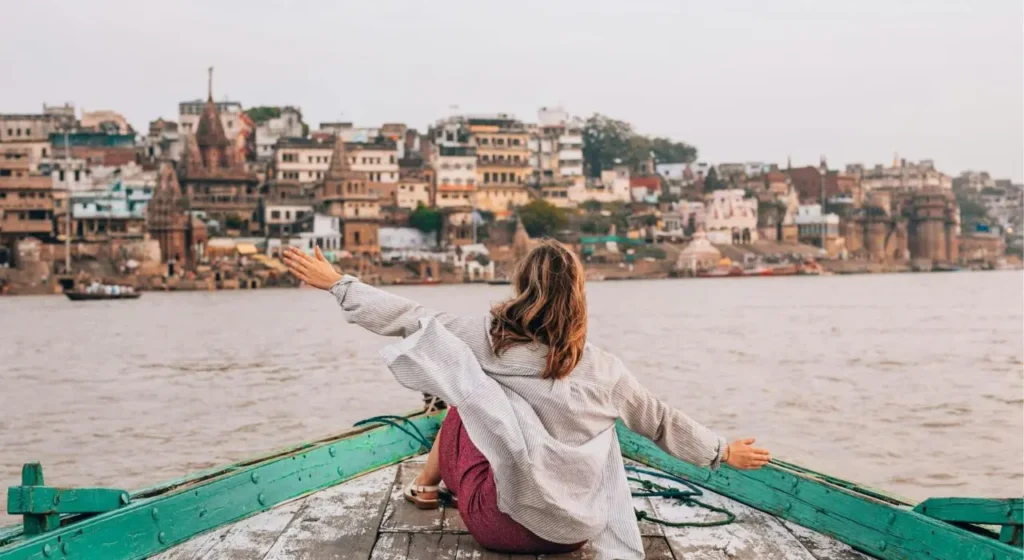
Varanasi has accommodation options for every type of traveler — from budget backpackers to luxury seekers. Staying close to the old city is the best idea if you want easy access to the Kaal Bhairav Temple and other nearby attractions.
Luxury Hotels
For travelers who love comfort and premium facilities, Varanasi has some excellent luxury options:
- Taj Ganges Varanasi One of the most prestigious hotels in the city. It offers beautiful rooms, a spa, a swimming pool, and outstanding food. It is located in the Nadesar area and is about 20 to 25 minutes from the temple by car. The hotel has a serene garden setting that feels like a peaceful escape from the busy city lanes.
- Radisson Hotel Varanasi Another excellent luxury option with modern rooms, great dining, and professional service. Located near the Cantt area and well connected to all major attractions.
Mid-Range Hotels
These hotels give you comfort and cleanliness at a very reasonable price:
Hotel Surya Varanasi
It is located near Bhelupura and offers comfortable rooms, a rooftop restaurant, and easy access to the ghats and temple areas.
Ganges View Hotel
It has a traditional feel with modern amenities. Highly rated by travelers for its warm hospitality and beautiful views of the Ganga.
Budget Stays and Guesthouses
If you are a budget traveler or a backpacker, Varanasi is one of the most affordable cities in India:
The lanes near Dashashwamedh Ghat and Godowlia Chowk are filled with clean and affordable guesthouses. Staying here puts you right in the heart of the old city, just a short walk from the Kaal Bhairav Temple.
Zostel Varanasi
It offers dormitory beds and private rooms at low prices, along with a great community atmosphere.
A Special Recommendation
If you truly want to soak in the spiritual atmosphere of Varanasi, try staying in one of the many heritage havelis (traditional mansions) that have been converted into guesthouses. These old buildings, with their wooden balconies and inner courtyards, give you a feeling of living in ancient Varanasi. Many of these are located in the lanes of the old city and are available at surprisingly affordable rates.
Always book your accommodation in advance, especially if you are visiting during festival seasons like Kaal Bhairav Ashtami, Mahashivratri, or Diwali. Hotels get full very quickly during these times.
Places to Visit Nearby
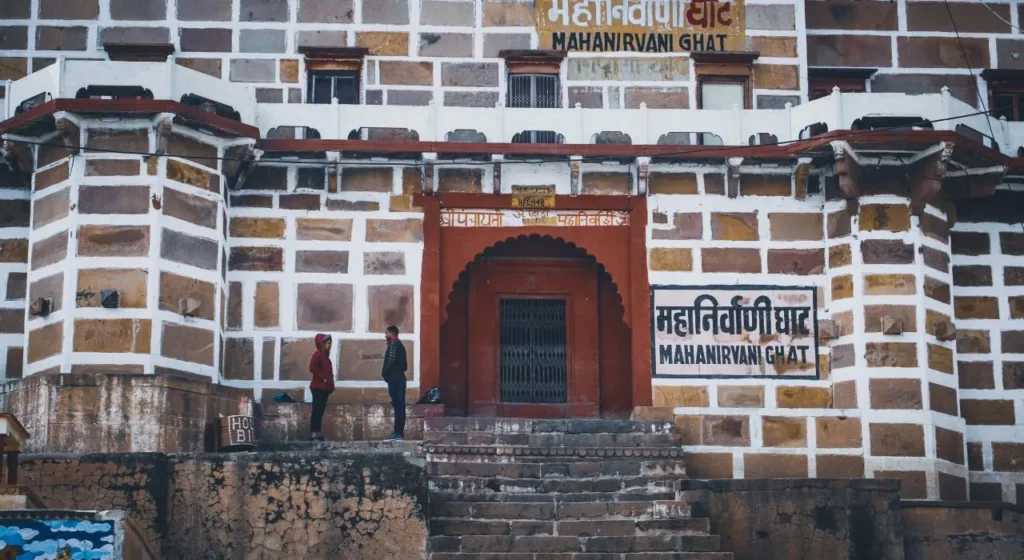
The Kaal Bhairav Temple is located in one of the most historically and spiritually rich neighborhoods of Varanasi. Once you finish your darshan, there are many incredible places to explore nearby. Here is a carefully selected list:
1. Kashi Vishwanath Temple (Golden Temple)
This is the most famous temple in Varanasi and one of the holiest Shiva temples in all of India. It is dedicated to Lord Shiva in his form as Vishwanath the Lord of the Universe. The temple’s main spire is covered in pure gold, which is why it is popularly called the Golden Temple. It is located very close to the Kaal Bhairav Temple and can be easily visited on the same day. In fact, most pilgrims visit both temples together as part of their Kashi pilgrimage.
2. Dashashwamedh Ghat
This is the most famous and most visited ghat (riverfront steps) on the banks of the holy Ganga river in Varanasi. Every evening, a spectacular Ganga Aarti is performed here by a group of priests. The ceremony involves large lamps, incense, chanting, and synchronized rituals that attract thousands of visitors every single day. The ghat is about a 10 to 15-minute walk from the Kaal Bhairav Temple.
3. Manikarnika Ghat (The Burning Ghat)
This is one of the most ancient and sacred cremation ghats in the world. Hindus believe that dying in Varanasi and being cremated here leads to instant liberation (moksha) from the cycle of birth and death. The fires at Manikarnika Ghat have reportedly been burning continuously for thousands of years without ever stopping. It is a very sobering and deeply philosophical place to visit. Visitors are expected to maintain complete silence and respect.
4. Sarnath
Located about 10 kilometres from Varanasi city, Sarnath is one of the most important Buddhist pilgrimage sites in the world. This is the place where Lord Gautama Buddha gave his very first sermon after attaining enlightenment. You can visit the ancient Dhamek Stupa, the ruins of old monasteries, and the excellent Sarnath Museum, which houses the famous Lion Capital of Ashoka, the national emblem of India. A visit to Sarnath after the Kaal Bhairav Temple makes for a perfect day of cultural and spiritual exploration.
5. Sankat Mochan Hanuman Temple
This beloved temple is dedicated to Lord Hanuman and is one of the most visited temples in Varanasi. It was founded by the great poet-saint Tulsidas, who wrote the Ramcharitmanas. The temple has a peaceful and loving atmosphere. The resident monkeys at this temple are famous — they roam freely and are considered sacred. The temple is located near Tulsi Ghat and is about 20 minutes from the Kaal Bhairav Temple.
6. Banaras Hindu University (BHU) and Bharat Kala Bhavan Museum
If you enjoy history and art, do not miss the Bharat Kala Bhavan Museum inside the campus of Banaras Hindu University. It has a wonderful collection of ancient sculptures, miniature paintings, textiles, and historical artifacts related to Varanasi and the broader Indian civilization. The BHU campus itself is beautiful and worth a leisurely walk.
Practical Tips for First-Time Visitors
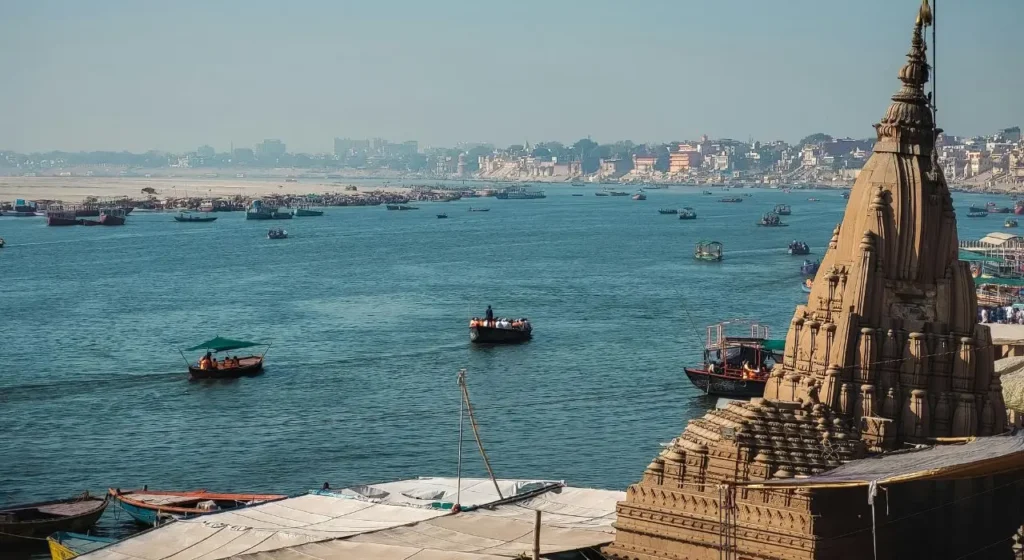
Visiting the Kaal Bhairav Temple for the first time is an exciting and deeply moving experience. But it can also feel a little overwhelming if you are not prepared. Here are some very practical and honest tips to make your visit smooth, safe, and memorable:
Plan Your Visit on a Weekday
Weekends and festival days can get extremely crowded at the Kaal Bhairav Temple. If possible, plan your visit on a Tuesday or Sunday morning on a regular week. These days are spiritually important for the deity but still manageable in terms of crowd size. Avoid visiting on major festival days if you are uncomfortable with very large crowds.
Hire a Local Guide
The old city of Varanasi is a beautiful maze. The lanes look similar and it is very easy to get lost. Hiring a licensed local guide is one of the best investments you can make. A good guide will not only take you directly to the Kaal Bhairav Temple but will also explain the history, the rituals, and the meaning behind everything you see. Your experience will be ten times richer with a guide.
Watch Out for Touts
Unfortunately, like many famous religious sites in India, the area around the Kaal Bhairav Temple has some touts (people who try to trick tourists). They may pretend to be official guides or priests and ask for large amounts of money for services. Always hire guides through your hotel or a recognized travel agency. Do not hand money to strangers who approach you unsolicited.
Keep Your Belongings Safe
The temple area is busy and crowded. Keep your wallet, phone, and passport in a secure inner pocket or a zipped bag. Do not wear expensive jewelry or carry large amounts of cash. A small crossbody bag worn in front of your body is ideal.
Stay Hydrated and Carry Snacks
Varanasi’s heat can be intense, especially from March onwards. However, avoid drinking water from street stalls unless it is a sealed bottle. Carry some light snacks like dry fruits or energy bars, especially if you are planning a full day of temple and ghat visits.
Respect the Offerings
If you wish to make an offering at the Kaal Bhairav Temple, buy the offering materials from the shops just outside the temple entrance. The standard offering includes a garland of red or orange flowers, sindoor, coconut, and a small bottle of alcohol. You can hand these to the temple priest, who will perform the offering on your behalf. Do not feel pressured to offer alcohol if it goes against your personal beliefs you can offer flowers and coconut instead. The deity accepts all offerings made with a pure and loving heart.
Learn Two or Three Basic Hindi Phrases
Most shopkeepers and locals in the temple area speak Hindi. Knowing a few basic phrases will go a long way:
- Kaal Bhairav Mandir kahan hai? — Where is the Kaal Bhairav Temple?
- Kitna lagega? — How much will it cost?
- Dhanyavaad — Thank you
People will immediately warm up to you and be more helpful when they see you making an effort with the local language.
Carry Cash
Many shops and services near the Kaal Bhairav Temple do not accept digital payments or cards. Always carry sufficient cash in small denominations. ATMs are available near Godowlia Chowk and Maidagin Chowk.
Frequently Asked Questions (FAQs)
Q1. What is the Kaal Bhairav Temple famous for?
The Kaal Bhairav Temple in Varanasi is famous for being the temple of the divine guardian of Kashi. It is especially well known for the unique tradition of offering alcohol (liquor) to the deity as prasad. The mysterious disappearance of this offered liquid in front of the idol’s mouth is one of the most talked-about spiritual mysteries in India.
Q2. Is the Kaal Bhairav Temple open every day?
Yes, the Kaal Bhairav Temple is open every single day of the year, including all public holidays and festivals. On major festival days, the temple may remain open for extended hours or even through the night.
Q3. Can non-Hindus visit the Kaal Bhairav Temple?
Yes, the Kaal Bhairav Temple is generally open to all visitors, regardless of their religion. However, all visitors are expected to follow the temple’s dress code, conduct rules, and show complete respect for the religious sentiments of the devotees. Some inner sanctums may have restrictions for non-Hindus, so it is best to check with the temple authorities on the day of your visit.
Q4. Why is alcohol offered at the Kaal Bhairav Temple?
This tradition comes from the Tantric form of worship associated with Lord Bhairav. In the Tantric path, alcohol is considered one of the sacred offerings to this particular form of the divine. It is not about promoting drinking — it is a centuries-old spiritual ritual of deep devotion and surrender. The offering is made by the temple priests in a sacred and controlled manner.
Q5. What is the best day to visit the Kaal Bhairav Temple?
Tuesday and Sunday are considered the most auspicious days to visit the Kaal Bhairav Temple. The most important day of the year is Kaal Bhairav Ashtami, which falls in November or December every year. On this day, massive celebrations and special rituals make the experience truly unforgettable.
Q6. Is there an entry fee for the Kaal Bhairav Temple?
No, there is no entry fee to enter the Kaal Bhairav Temple. It is free for all devotees and visitors. You may choose to make a voluntary donation or purchase offerings from the shops outside, but there is no compulsory charge.
Q7. How long should I plan to spend at the Kaal Bhairav Temple?
For a peaceful and complete visit including standing in the darshan queue, attending the aarti, making offerings, and exploring the temple complex plan to spend approximately 1 to 2 hours at the temple. If you are visiting on a festival day or a weekend, allow extra time for longer queues.
Q8. Is the Kaal Bhairav Temple safe for solo female travelers?
Yes, the Kaal Bhairav Temple is generally considered safe for solo female travelers. The temple area is busy and well populated throughout the day. However, like any crowded religious site in India, it is always advisable to dress modestly, be aware of your surroundings, keep your belongings secure, and if possible, visit with a group or hire a trusted local guide.
Q9. Are there any parking facilities near the temple?
Because the Kaal Bhairav Temple is located deep inside the old city lanes, there are no direct parking facilities near the temple. You will need to park your vehicle or leave your cab/auto-rickshaw at the nearest major road such as near Maidagin Chowk and walk the rest of the way through the lanes on foot.
Q10. Can I visit the Kaal Bhairav Temple and the Kashi Vishwanath Temple on the same day?
Absolutely yes! In fact, this is the most common combination for pilgrims visiting Varanasi. Both temples are located very close to each other in the old city. Most visitors do their darshan at the Kaal Bhairav Temple first and then walk to the Kashi Vishwanath Temple. You can comfortably visit both in a single morning or evening.