Solo Trip to Manali: The Ultimate Budget & Safety Guide (2026)
Are you planning your first solo trip to Manali but feeling a little nervous? Don’t worry, we are here to guide you. Traveling alone in...
Read More





Are you thinking about going on a trip alone? Many people feel a bit scared at first, but don’t worry. The best way to see the world without spending too much money is through hostel life solo travel.
Think of a hostel like a big house where travelers from all over the world stay together. It is not just a place to sleep; it is a place to make friends and share stories. In this guide, I will tell you everything you need to know in very easy words.

| What is a hostel? | A budget-friendly shared lodging where you rent a bed in a dormitory. |
| Safety | High (provided you use lockers and high-quality padlocks). |
| Average Cost per person | Between $15 and $40 per night depending on the city. |
| Best For | Socializing, budget management, and cultural exchange. |
| Top 3 advantages | Lock, earplugs, and a towel. |
A hostel is a budget-friendly shared accommodation where travelers rent a single bed in a dormitory room instead of booking an entire private room. It features communal areas like kitchens, lounges, and bathrooms to encourage social interaction between solo travelers from around the world.
In hostel life solo travel, you stay in a Dorm (short for dormitory). A dorm is a big room with a few bunk beds. You share this room with other solo travelers. It is very good! It’s like a giant sleepover with people from different countries. You might meet a teacher from Spain, a doctor from Japan, and a student from Brazil all in one room. This setup makes travel affordable for everyone.

Hostel life solo travel is recommended because it provides an immediate social community, significantly reduces accommodation costs, and offers local expertise through hostel staff. It is the most effective way for solo travelers to avoid loneliness while exploring new destinations on a limited budget.
Why do millions of people choose hostels? Here are the simple reasons:
You are never lonely: When you travel alone, you might feel sad sometimes. In a hostel, there is always a Common Room where people sit, drink tea, and talk.
It saves your pocket: Hotels are expensive. Hostels are cheaper than hotels. This means you can travel for a longer time!
The Staff are like Friends: Hostel workers usually know the best cheap food spots and hidden places that tourists don’t know about.

Hostels are suitable for travelers of all ages, including those in the 30s, 40s, and 50+ age groups. Modern hostels cater to a diverse demographic by offering private rooms and flashpacker facilities, ensuring comfort and privacy for older solo travelers while maintaining a social atmosphere.
One of the biggest fears people have about hostel life solo travel is their age. Modern hostels are for everyone. Many people in their 30s, 40s, and even 60s stay in hostels. They like the social vibe. If you want more privacy, many hostels now offer Private Rooms. You get your own room like a hotel, but you still get to use the kitchen and common room to make friends.
Modern hostels are high-quality boutique accommodations featuring fast Wi-Fi, stylish cafes, and luxury amenities, whereas ancient hostels were often basic and lacked privacy. Today’s hostels prioritize cleanliness, security, and digital-friendly workspaces to attract modern solo travelers and digital nomads.
Long ago, some hostels were a bit dirty or dark. But now everything is changing.
Ancient Hostels: Were just beds in a room, maybe not very clean, and had no Wi-Fi.
Modern Hostels: These are like Boutique stays. They have everything like fast Wi-Fi, beautiful cafes, swimming pools, and even cinema rooms. Some are so fancy they look like 5-star hotels.

The dormitory experience involves sleeping in a shared room, typically in bunk beds equipped with privacy curtains, individual reading lights, and power sockets. Most hostels enforce Quiet Hours between 11 PM and 7 AM to ensure all guests can sleep peacefully in a shared environment.
When you start your hostel life solo travel journey, your first night in a dorm will be memorable. Usually, you get a bunk bed.
Pro Tip: Always try to ask for a Bottom Bunk so you don’t have to climb up and down!
Most modern beds have a privacy curtain, a reading light, and a power socket to charge your phone right next to your pillow. Everyone tries to be respectful and quiet at night.
Safety in hostels is ensured through the use of individual lockers provided to every guest for storing valuables. To maintain security, solo travelers should always use their own high-quality padlocks, keep their lockers closed at all times, and never leave expensive electronics unattended in common areas.
Safety is the 1st question for hostel life solo travel. Almost every hostel provides a locker.
Rule 1: Bring your own Padlock (Tala).
Rule 2: Keep your passport and money in the locker, even during a shower.
Rule 3: Trust your gut. Most travelers are nice, but being careful is smart.
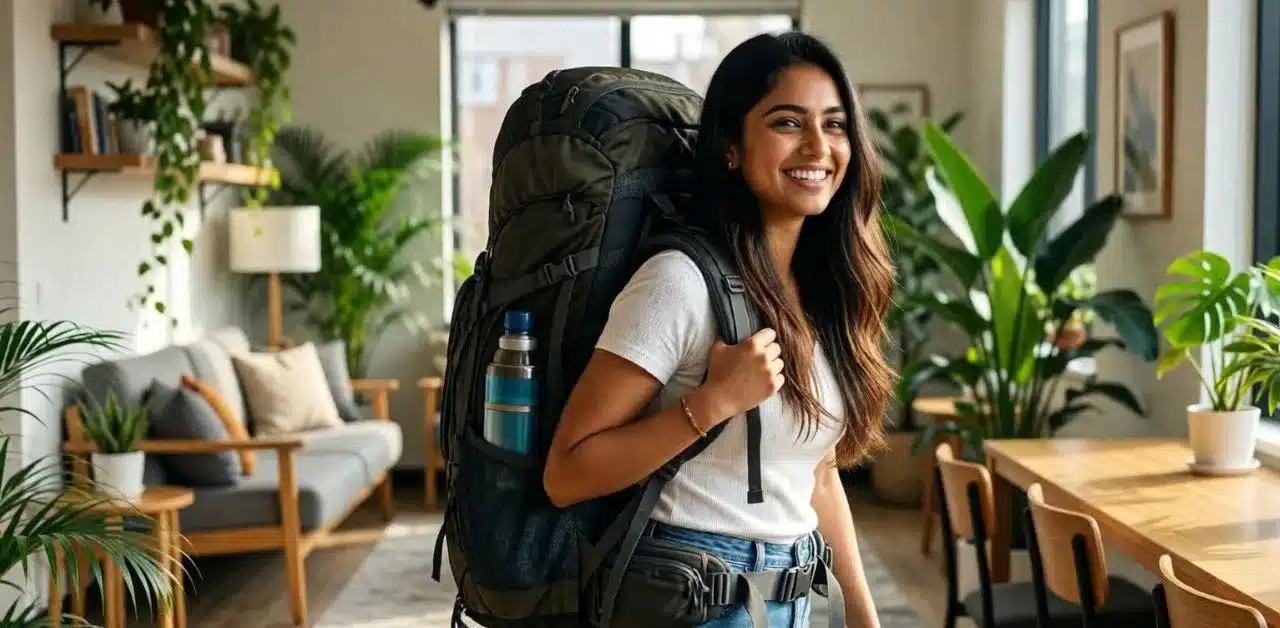
A hostel packing list must focus on space-saving essentials and shared-living tools, such as flip-flops for communal showers, a quick-dry microfiber towel, earplugs, an eye mask for uninterrupted sleep, and a universal power adapter. Carrying fewer, high-quality items ensures your bag remains portable and manageable for solo transit.
When you pack your bag, remember the rule: Less is More. Flip-flops: Never enter a shared shower bare feet.
Quick-Dry Towel: These are thin, light, and don’t smell like old wet clothes.
Earplugs & Eye Mask: This is your “Privacy Shield” against snorers or people turning on lights.
A Small Torch: Use this instead of the main light to find your socks at 3 AM.

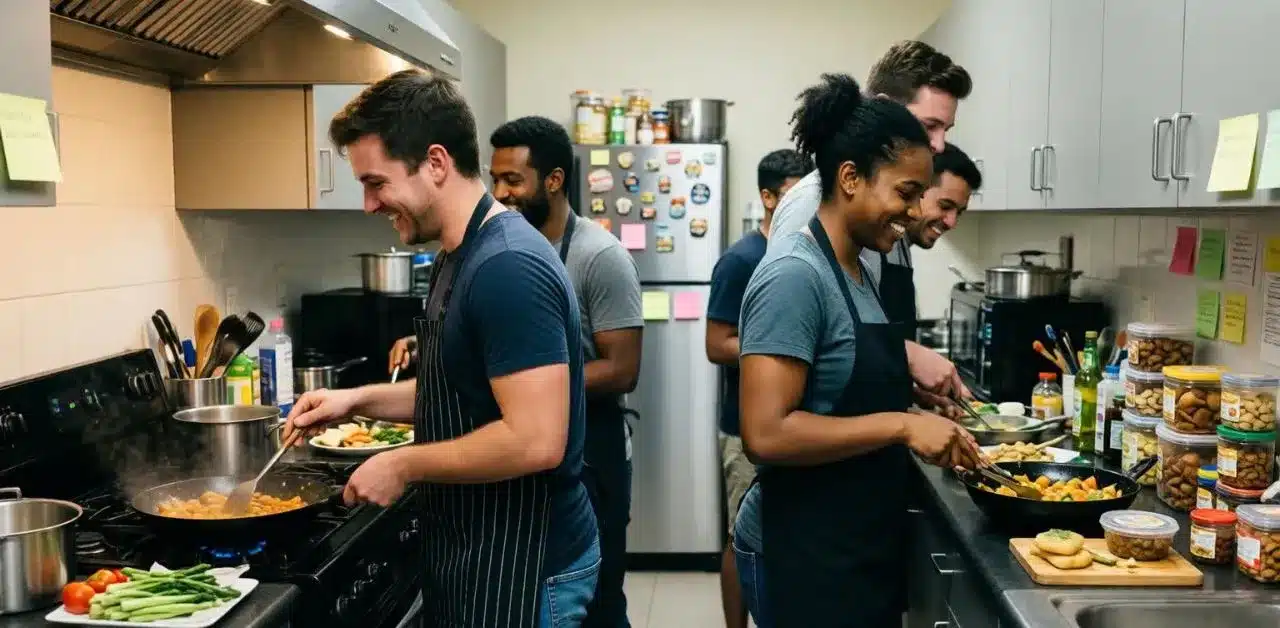
Hostel kitchens are communal cooking spaces designed to help travelers save money by preparing their own meals. To succeed in hostel kitchen life, guests should utilize the ‘Free Food’ shelves, clearly label their own groceries with their name and check-out date, and clean all utensils immediately after use.
Eating out every day is the fastest way to lose money.
The Free Food Shelf: Often contains left-over pasta, spices, and oil from past travelers.
Labeling: Use a marker. If it doesn’t have a name, someone might think it is free.
The Social Aspect: Cooking is the easiest way to start a conversation. Ask someone about their recipe, and you might end up sharing a meal.
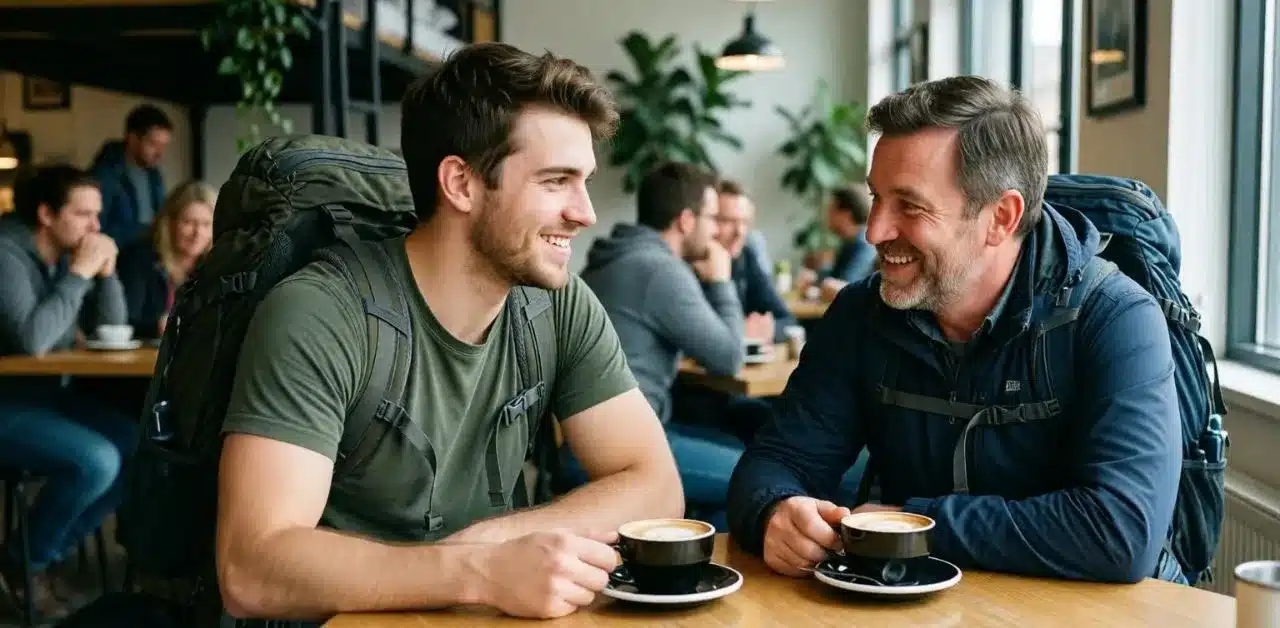
Making friends in a hostel is achieved by spending time in common areas, participating in hostel-organized social events like walking tours or dinners, and using simple conversation starters. The most common ice-breaker in hostel life is asking other travelers about their origin and their next travel destination.
If you are never truly alone.
The Common Room Rule: If you sit in the lounge without headphones, people will talk to you..
Events: If the hostel has a Pub Crawl or Movie Night, join it! It removes the awkwardness of meeting strangers.

Hostel etiquette consists of unwritten social rules such as avoiding noisy plastic bags late at night, keeping shared bathrooms tidy, and using small personal lights instead of overhead room lights during quiet hours. Following these rules ensures a respectful environment and earns you the respect of fellow roommates.
No Plastic at 3 AM: Pack your bags the night before if you have an early flight.
The Grandmother Rule: Leave the kitchen and bathroom cleaner than you found it.
Light Etiquette: Turning on the big light at 2 AM is the fastest way to make enemies. Use your phone’s torch.
The best way to book a hostel is by using search engines like Hostelworld to compare reviews, and then checking the hostel’s official website for direct booking discounts. Direct booking often results in lower prices, better room placement, and more flexible cancellation policies while supporting the local business directly.
Check Reviews: Always read the Security and Atmosphere ratings.
Direct Email: Sometimes, if you email them directly, they might give you a bottom bunk or a free breakfast.
Location: A cheap hostel far from the city will cost you more in bus tickets. Stay central!
Social burnout in solo travel is a state of mental exhaustion caused by constant interaction with new people. It is managed by taking ‘rest days,’ using private rooms or bunk curtains for solitude, and giving yourself permission to disconnect from social activities without feeling guilty.
Hostel life solo travel is exciting, but it can be tiring.
It’s OK to Hide: If you want to spend the whole day in your bunk watching Netflix, do it!
Recharge: Your brain needs quiet time to process all the new things you are seeing. Don’t force yourself to be social 24/7.
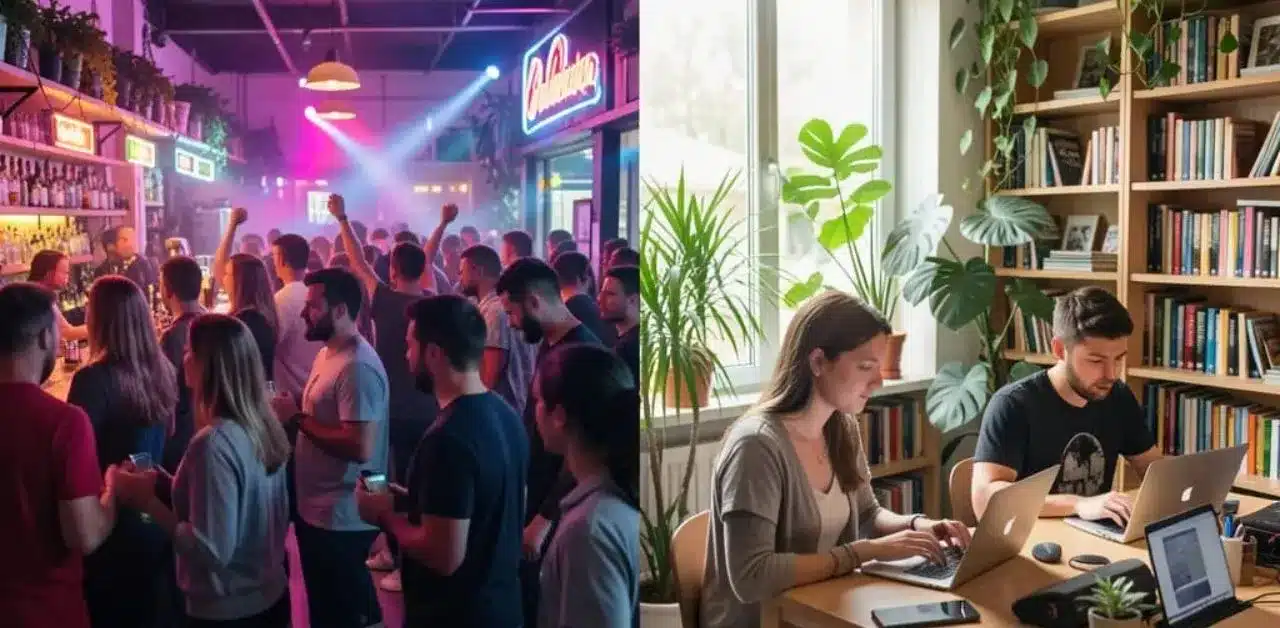
Hostels are categorized by their primary atmosphere, ranging from ‘Party Hostels’ with onsite bars to ‘Digital Nomad Hostels’ with quiet co-working spaces. Solo travelers should choose a hostel type that aligns with their current needs, whether it is social energy, work productivity, or peaceful relaxation.
Party Hostels: Loud, fun, and great for meeting people who love to stay up late.
Nomad Hostels: Quiet, fast Wi-Fi, and lots of desks.
Eco/Boutique Hostels: Very clean, often have plants and art, and feel like a home.
Once, I was sitting alone in a hostel in Prague. I was feeling homesick. I made a simple ham sandwich. A guy from Australia saw it and joked, That’s the best looking sandwich I’ve seen today! We talked for three hours. He is now one of my best friends. This is why hostel life solo travel is so special. The smallest moments turn into lifelong memories.
Hostel life solo travel is a life-changing experience. It teaches you to be independent, brave, and open-minded. Whether you are 20 or 50, the world is waiting for you. Grab your lock, pack your bag, and go!
Are you planning your first solo trip to Manali but feeling a little nervous? Don’t worry, we are here to guide you. Traveling alone in...
Read More
Navigating Delhi as a solo female traveler in 2026 is an exercise in balancing ancient heritage with cutting-edge urban modernization. While the city’s reputation often...
Read More
Traveling alone in India sounds scary to some, but it is actually the best way to see this beautiful country. In 2026, India is more...
Read More
1 Comments